
Elevate Testosterone & Weight Loss

medical weight loss program consultation for weight loss plateau and metabolic health support

How a Medical Weight Loss Program Helps When Diet and Exercise Stop Working

How a Medical Weight Loss Program Helps When Diet and Exercise Stop Working Many people reach a point where healthy eating and regular exercise stop producing noticeable results. If you have been following a consistent routine but the scale refuses to move, you may be experiencing a weight loss plateau. A medical weight loss program can provide a different perspective by examining metabolic health, lifestyle habits, and biological factors that influence how the body regulates weight. You might be wondering why weight loss sometimes becomes more difficult over time. Even when people continue to follow healthy routines, the body can adapt in ways that slow progress. Factors such as metabolism, appetite regulation, sleep patterns, and long-term behavioral habits all play a role in how weight changes over time. Understanding these factors can help explain why some people benefit from a medically guided approach when traditional strategies stop working. If repeated dieting attempts have not produced lasting results, it may help to understand why many common diet strategies fail to produce sustainable weight loss and why long-term approaches often require more than temporary calorie restriction. Understanding How a Medical Weight Loss Program Helps When Diet and Exercise Stop Working When diet and exercise stop producing results, it does not necessarily mean that healthy habits are ineffective. Instead, it often means that additional factors are influencing the body’s ability to lose weight. Several biological and behavioral influences may contribute to stalled progress. Metabolic Adaptation One of the most common reasons people experience stalled weight loss is metabolic adaptation. When the body undergoes long periods of calorie restriction, it may respond by slowing metabolism to conserve energy. This response is a natural survival mechanism that helped humans survive food shortages historically. However, in modern weight management, it can make continued progress more difficult. According to the National Institute of Diabetes and Digestive and Kidney Diseases, body weight is regulated by a complex interaction of metabolic processes, hormones, and appetite signals. As weight decreases, the body may require fewer calories, which means the same diet that once worked may eventually stop producing results. Changes in Appetite Signals Appetite regulation is controlled by several hormones that signal hunger and fullness. During long-term dieting, these signals can change. For example: hunger hormones may increase fullness signals may decrease cravings may become stronger These changes can make it harder to maintain the same eating habits that initially supported weight loss. Lifestyle Factors That Affect Weight Weight management is influenced by more than diet alone. Daily routines and environmental factors can have a significant impact. Examples include: sleep quality stress levels work schedules emotional eating triggers When these factors are not addressed, even well-planned nutrition strategies may become difficult to maintain. Weight Loss Plateaus Weight loss plateaus are extremely common. As body weight decreases, the body naturally adjusts to maintain stability. This means that: calorie needs decrease energy expenditure may change progress may slow temporarily Plateaus are not a sign of failure. Instead, they often indicate that adjustments may be needed to continue making progress. The Role of Medically Supervised Weight Loss Medically supervised weight loss focuses on identifying the factors that influence weight management rather than relying only on calorie reduction. A physician guided weight loss program typically begins with a detailed health evaluation that considers several important areas. Comprehensive Health Evaluation The process often begins by reviewing factors such as: metabolic health indicators lifestyle patterns sleep habits stress levels eating behaviors This information helps identify patterns that may affect weight management. Instead of following a generic plan, individuals may receive strategies that are tailored to their personal health profile. Personalized Nutrition Planning Structured programs often emphasize long-term nutrition strategies rather than short-term dieting. For example, participants may learn how to: build balanced meals maintain consistent eating schedules identify triggers that lead to overeating develop sustainable habits These strategies help people focus on gradual improvements rather than temporary restrictions. Behavioral and Lifestyle Guidance Lifestyle factors often play a significant role in weight regulation. Structured programs may include guidance that helps people address habits that affect long-term progress. Lifestyle support may focus on: improving sleep quality managing stress levels increasing physical activity gradually building consistent routines These adjustments can support both metabolic health and long-term weight stability. How Doctor Supervised Weight Loss Differs From Traditional Dieting Traditional dieting methods usually emphasize calorie restriction as the primary strategy. While this approach can produce short-term results, it may not address the underlying factors influencing weight management. Doctor supervised weight loss programs often take a broader approach. Key differences include: Traditional Dieting Doctor Supervised Weight Loss Focus on calorie restriction Focus on overall metabolic health Short-term goals Long-term sustainability Generic diet plans Personalized strategies Limited professional guidance Ongoing medical oversight This broader perspective can help people understand why progress slowed and what adjustments may support sustainable results. Why Metabolic Health Matters for Long-Term Weight Management Metabolic health plays a major role in how the body processes energy and regulates appetite. Metabolism refers to the processes that convert food into energy. Several factors influence metabolism, including: age sleep patterns physical activity overall health status The Mayo Clinic explains that long-term weight management usually requires consistent lifestyle adjustments rather than temporary dieting. Supporting metabolic health may involve several habits such as: balanced nutrition patterns regular physical activity adequate sleep stress management Together, these factors influence appetite signals, energy balance, and overall health. What to Expect During the Early Stages of Structured Weight Management Many people considering medically supervised care want to understand what the process involves. The early stages typically focus on: evaluating health patterns identifying lifestyle habits establishing sustainable routines Learning what typically happens during the first month of medically supervised weight loss can help individuals understand how structured programs begin and what participants often experience during the first few weeks. This early stage often emphasizes education, habit building, and gradual progress rather than rapid weight changes. Common Mistakes That Can Slow Weight Loss Progress Even people who follow healthy routines

medical weight loss treatments consultation with physician discussing weight management plan

What Are Medical Weight Loss Treatments and How Do They Work?

What Are Medical Weight Loss Treatments and How Do They Work? Losing weight can feel frustrating when diet plans and exercise routines do not lead to the progress you expected. Many people eventually begin exploring medical weight loss treatments when traditional approaches seem to stop working. If you have tried adjusting your diet, increasing activity levels, or following popular weight loss plans without lasting success, you are not alone. Weight management is influenced by more than willpower or discipline. Factors such as metabolism, hormones, lifestyle habits, and appetite regulation all affect how the body stores and uses energy. This is why some individuals turn to medically supervised weight loss programs. Instead of focusing only on calorie reduction, these programs evaluate a broader range of health factors. Healthcare professionals may assess lifestyle patterns, metabolic health, and overall wellness before recommending a plan. This approach can help people understand why previous weight loss attempts may not have worked and what strategies might support better results moving forward. If you want to learn why structured programs often help individuals maintain progress, you may find it helpful to read about how medically supervised programs support sustainable weight management and how professional guidance can improve long term success. In this guide, you will learn how physician guided weight management programs work, what typically happens during the process, and what to expect when exploring structured approaches to improving metabolic health and overall wellness. How Medical Weight Loss Treatments Work Structured care focuses on understanding the factors affecting weight before recommending changes. Instead of applying the same plan to everyone, providers create individualized strategies that consider each person’s health profile. Initial Health Evaluation Most programs begin with a comprehensive health assessment. Healthcare providers often review health history and lifestyle habits to identify factors influencing weight management. Topics that may be discussed include: past weight loss experiences current eating patterns sleep quality stress levels daily activity levels family health history These discussions help providers understand the biological and lifestyle patterns affecting metabolism and appetite control. Some programs may also evaluate metabolic health indicators that influence how efficiently the body converts food into energy. Developing a Personalized Strategy After the evaluation, providers design a plan tailored to the individual. A physician-guided weight loss program typically focuses on sustainable improvements rather than short term dieting. Strategies may include: balanced nutrition guidance gradual increases in physical activity behavioral strategies that encourage consistent habits regular progress tracking Because these plans are personalized, many people find them easier to maintain compared with restrictive diets. Ongoing Monitoring and Support Another important feature of structured programs is continued medical guidance. Weight management is a long term process, and strategies may need to change as the body adapts. Providers often schedule follow up appointments to review progress and address challenges. Monitoring can help identify issues early and ensure that individuals continue moving toward their health goals. If you want to better understand how professional supervision supports safe and effective progress, you can explore how doctor guided weight loss programs help patients lose weight safely and why clinical monitoring can make a meaningful difference. Why Metabolic Health Matters Many people assume weight management depends only on calories and exercise. While these factors are important, metabolic health plays a major role in how the body uses energy. Metabolism determines how efficiently the body converts food into fuel. When metabolism functions well, the body can regulate appetite and energy levels more effectively. However, metabolic changes may occur due to several factors. These may include: hormonal fluctuations aging sleep disruption stress levels lifestyle habits When metabolism slows down, it can become more difficult to lose weight even when someone follows healthy routines. A medical weight loss program often focuses on improving metabolic health because it influences energy balance and fat storage. Hormones and Their Role in Weight Management Hormones are chemical messengers that regulate many processes in the body, including metabolism, appetite, and energy levels. When hormone levels change, the body may respond differently to diet and exercise. For men, declining testosterone levels can influence body composition and energy levels. Reduced testosterone may contribute to increased body fat and decreased muscle mass. Healthcare providers sometimes evaluate hormonal health as part of a broader weight management treatment strategy. These discussions may include: testosterone therapy for men testosterone replacement therapy benefits testosterone levels in men hormone therapy for men testosterone deficiency treatment Addressing hormonal balance may support improvements in metabolic health and energy levels for some individuals. Appetite Regulation and Prescription Support Some individuals experience challenges with appetite control that make long term weight management difficult. In these situations, healthcare providers may discuss additional strategies that support appetite regulation. This may include prescription weight loss medications as part of a broader treatment plan. These medications may help regulate hunger signals or improve metabolic responses when combined with lifestyle changes. Certain treatments involve GLP-1 weight loss medications, which influence hormones that regulate satiety and appetite control. These medications are sometimes used within structured programs alongside nutrition guidance and behavioral strategies. It is important to remember that medication alone is rarely the entire solution. Long term success usually requires lifestyle adjustments and consistent monitoring. Benefits of Physician Guided Programs Many people find that physician guided programs provide advantages compared with traditional dieting methods. Some potential benefits include: personalized strategies based on health history professional monitoring throughout the process improved understanding of metabolic health structured support for lifestyle changes guidance designed for sustainable results Rather than focusing only on rapid weight loss, structured programs aim to improve long term health and overall wellness. According to the National Institute of Diabetes and Digestive and Kidney Diseases, combining lifestyle changes with medical guidance can help individuals maintain healthier weight management outcomes. What Results Can You Expect? Results vary depending on several factors, including starting weight, lifestyle habits, metabolic health, and consistency. Most physician guided programs emphasize gradual progress rather than rapid weight changes. Common improvements may include: steady weight reduction improved daily energy levels healthier eating

First 30 days of medical weight loss treatment progress calendar and check-in

The First 30 Days of Medical Weight Loss Treatment

The First 30 Days Of Medical Weight Loss Treatment Starting a structured program can feel like a mix of relief and uncertainty. You may finally have a plan that feels more personal than dieting, but you are probably still wondering what the first month will actually look like day to day. The first 30 days of medical weight loss treatment are usually less about instant results and more about building a safe, sustainable foundation. That means a thorough evaluation, choosing an approach that fits your health profile, dialing in your routines, and using early follow-ups to make adjustments before small issues become bigger ones. In this guide, you will learn what the first four weeks of a medical weight loss program typically include, what progress may look like, and what to track so you can stay steady and informed. What Medical Weight Loss Treatment Typically Includes Medical weight loss is a structured approach that may include a health history and symptom review, screening for metabolic and lifestyle factors, nutrition and activity guidance that is realistic to maintain, prescription medication options when clinically appropriate, and ongoing follow-ups to review progress and make adjustments. Prescription weight loss medications work in different ways, such as helping you feel less hungry, feel full sooner, or absorb less fat depending on the medication, according to the National Institute of Diabetes and Digestive and Kidney Diseases. Not everyone needs medication, but many programs consider it as one tool within a broader plan. The First 30 Days At A Glance The exact schedule can vary by provider, but the first month often follows a pattern like this: Week Main Focus What You May Notice What Your Provider May Review 1 Evaluation and plan creation Clarity, structure, “I finally have a plan” Medical history, medications, goals, baseline metrics 2 Early implementation Appetite and routine changes start Tolerance, early barriers, nutrition basics 3 Consistency and troubleshooting More stable habits, fewer “off days” Progress trends, side effects, adherence 4 Progress review and refinement Momentum or plateaus emerge Dose or plan adjustments, next-month strategy Week 1: Evaluation And Personalized Plan Creation Week one is where the program becomes tailored to you instead of a generic starting point. A clinical evaluation often includes your health history and current concerns, weight history and past attempts, current medications and supplements, lifestyle patterns including sleep and stress, nutrition habits and meal timing, and your activity level and recovery capacity. If medication is being considered, your provider may also walk you through how different prescription options work and who they are typically designed for. The more specific you are going in, the more useful your plan will be. Before your visit, it helps to write down: When weight gain accelerated or shifted What has worked in the past and why it stopped working Typical meals and snacks on weekdays vs weekends Sleep timing and quality A realistic schedule for movement This is also the best time to define your “why.” For some people it is energy. For others it is lab markers, mobility, or confidence. Clear goals give your provider something concrete to build around. Week 2: Early Changes and Program Adjustment Week two is when you start living the plan. That is also when you learn what is realistic and what needs to be simplified. Some people notice appetite changes early, especially if medication is used. Others notice behavioral shifts first, like fewer impulsive snacks or better portion awareness. Here are common early experiences and what they usually mean: Early Experience What It Often Means Helpful Response Less hunger between meals Appetite signals are changing Keep meals balanced, do not skip protein Mild nausea or digestive changes Your body is adjusting Smaller meals, slower eating, hydration No major scale change yet Early phase is still stabilizing Track consistency, not just weight Lower cravings Routines and satiety are improving Maintain structure, avoid “all or nothing” thinking If GLP-1 medications are part of your plan, dose escalation is commonly used to improve tolerability and reduce early side effects. You can learn more about GLP-1 treatments in Oswego, IL and what the process typically looks like. Instead of focusing only on the scale, try tracking these inputs and signals during week two: Hunger level before meals Fullness after meals Sleep quality Daily steps or movement consistency Water intake Any side effects and when they occur This kind of tracking makes your follow-up appointments more useful because your provider can actually see patterns rather than guessing. Week 3: Consistency, Momentum, And Troubleshooting Week three often feels like the real-life week. The initial excitement has cooled, but your routines are starting to take hold. This is where sustainable habits begin to form: consistent protein intake, a stable meal schedule, planned snacks instead of reactive snacking, and movement you can actually repeat week after week. Even if you are seeing good scale progress, week three is still about reinforcing the behaviors that make the next three months easier. Most people run into one or two predictable challenges during this week: Challenge Why It Happens A Better Fix Than “More Willpower” Weekend overeating Less structure, more social food Plan one anchor meal and one planned treat Late-night snacking Stress, fatigue, habit Improve dinner protein and set a kitchen “close time” Low energy for exercise Sleep debt or too aggressive dieting Focus on steps and strength basics, not intensity “I messed up” thinking Perfection mindset Return to the next planned meal, not a restart Week 4: Progress Review And Plan Refinement By week four, you have enough data to evaluate what is working and what needs to change. A strong month-one review looks beyond pounds or kilos: Review Area What You’re Looking For Why It Matters Weight trend Overall direction, not daily fluctuation Helps assess progress realistically Appetite control Hunger, cravings, portion comfort Shows whether the approach fits Side effects Timing, severity, triggers Guides safer adjustments Routine consistency Meal structure, movement, sleep Predicts sustainability Next-month barriers Travel, work shifts, stress Prevents avoidable

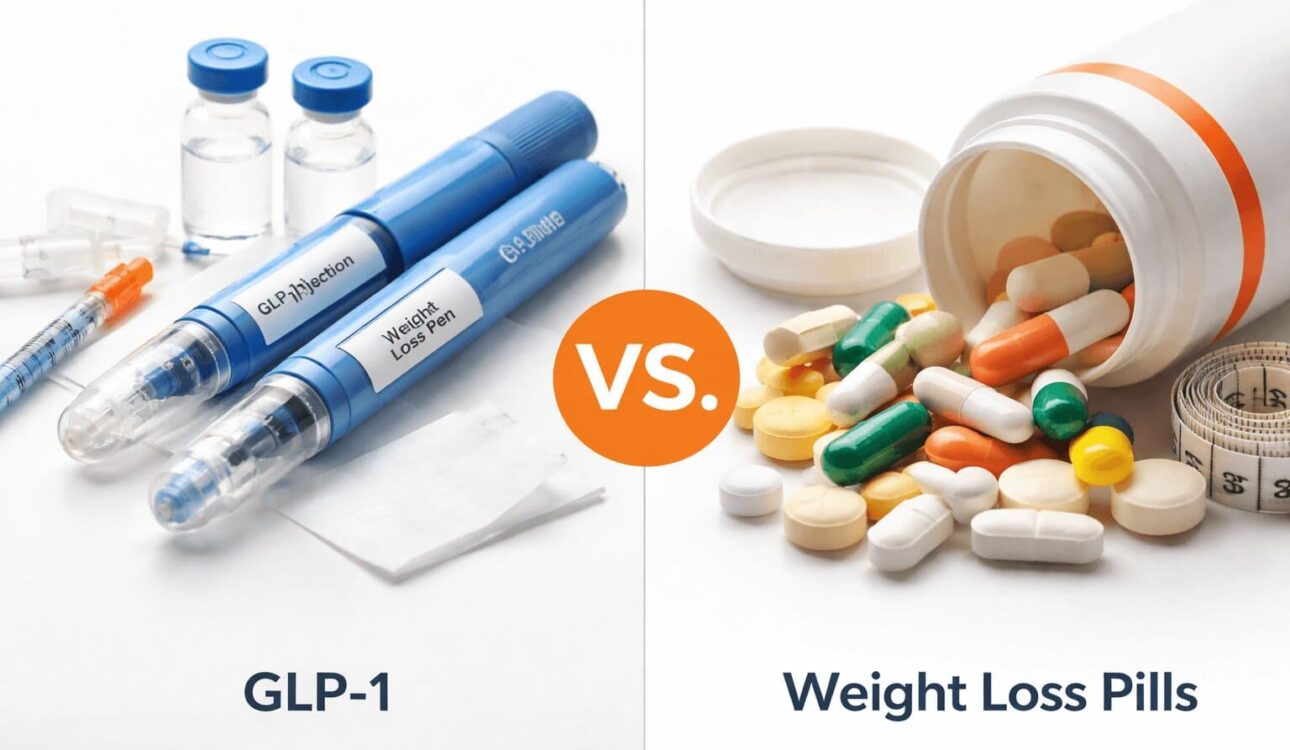
GLP-1 vs weight loss pills comparison showing injectable and oral medication options

GLP-1 vs Weight Loss Pills: Which Works Better?

GLP-1 vs Weight Loss Pills: Which Works Better? If you’re comparing prescription weight loss options, you’ve probably narrowed it down to two categories: GLP-1 medications and traditional weight loss pills. Both are used in medical weight loss programs. Both can support fat loss when paired with nutrition and lifestyle changes. But they work differently, feel different, and may fit different health profiles. In this guide, you’ll learn how GLP-1 medications compare to weight loss pills in effectiveness, timeline, safety, convenience, and long-term sustainability. This will help you have a more informed choice of which mode you take. What are GLP-1 Medications? GLP-1 stands for glucagon-like peptide-1. It’s a hormone your body naturally releases after eating. It helps regulate appetite, insulin, and blood sugar levels. GLP-1 medications are designed to mimic this hormone. They work by: Increasing feelings of fullness Reducing appetite and cravings Slowing stomach emptying Supporting blood sugar regulation Many GLP-1 medications used for weight management are injectable and follow a gradual dose escalation schedule. This helps improve tolerability and reduce side effects. The FDA-approved prescribing information outlines how dosing is typically adjusted over time (U.S. Food and Drug Administration, 2023). Because they act on gut-hormone pathways, GLP-1 medications are often used in modern obesity medicine when lifestyle changes alone have not produced sufficient results. What Are Weight Loss Pills? Prescription weight loss pills are oral medications taken daily. Unlike GLP-1 medications, most oral options do not mimic gut hormones. Instead, they work through other mechanisms such as: Suppressing appetite through brain pathways Reducing fat absorption in the digestive system Influencing hunger signals through combination effects There are multiple FDA-approved medications in this category. An overview of how prescription weight loss drugs function and who may qualify for them is summarized by the National Institute of Diabetes and Digestive and Kidney Diseases (NIDDK, 2025). The key difference is mechanism. GLP-1 medications regulate appetite hormonally. Many oral medications regulate appetite neurologically or mechanically. GLP-1 Vs Weight Loss Pills: Effectiveness and Expected Results Across many studies, GLP-1 medications used for chronic weight management often produce larger average weight loss compared with many older oral medications. This is one reason GLP-1 therapy has become a major part of modern obesity medicine. That said, oral medications can still be effective for the right candidate, especially when paired with structured follow-up and lifestyle support. A clinician-friendly overview of how prescription weight loss drugs typically work and what outcomes may look like is summarized here (Mayo Clinic, 2024). Side-By-Side Comparison of Expected Results Comparison Factor GLP-1 Medications Weight Loss Pills Average Weight Loss (Clinical Studies) Often higher average percentage loss in chronic weight management trials Typically moderate average percentage loss depending on medication Mechanism Of Action Mimics gut hormone to regulate appetite and blood sugar Suppresses appetite or alters fat absorption Blood Sugar Impact Often improves insulin response Varies by medication Appetite Control Hormonal regulation of hunger signals Neurological appetite suppression Sustainability Potential Designed for long-term metabolic regulation May require stronger behavioral reinforcement for maintenance For patients dealing with both weight and hormonal challenges, hormone replacement therapy may complement a structured weight loss plan. Speed Vs Sustainability: What The Timeline Can Look Like GLP-1 Medications Many people notice appetite changes early, but visible weight changes may be more gradual. Dose escalation can take several weeks, and meaningful progress often appears after reaching a therapeutic dose that is well tolerated. Phase What Typically Happens Early Phase Appetite signals change first Middle Phase Steady weight reduction as routines stabilize Later Phase Plateaus may occur and require dose or strategy adjustments Weight Loss Pills Some oral medications act quickly, especially those that suppress appetite. People may notice early changes in hunger levels. However, some individuals experience diminishing benefit over time if routine, nutrition, and follow-up structure are not consistent. Phase What Typically Happens Early Phase Noticeable appetite suppression Middle Phase Variable weight change depending on adherence Later Phase Risk of plateau without behavioral reinforcement Side Effects and Safety All prescription medications carry potential risks. The appropriate option depends on your medical history and risk profile. GLP-1 Side Effects Common side effects may include nausea or gastrointestinal discomfort, particularly during dose escalation. These often improve with gradual titration and meal adjustments. Safety guidance and contraindications are outlined in FDA labeling (U.S. Food and Drug Administration, 2023). Weight Loss Pill Side Effects Side effects vary depending on the medication type. Risk Category GLP-1 Medications Weight Loss Pills Gastrointestinal Symptoms Common during dose changes Possible depending on drug Heart Rate Impact Typically neutral Some stimulant-based options may increase heart rate Sleep Disturbance Not typically primary Some medications may affect sleep Digestive Changes Slower gastric emptying Some reduce fat absorption For broader context on how medication fits within chronic obesity care, see WHO-aligned guidance summarized through Celletti et al., 2025 paper. Matching medication to your health history is critical. Convenience: Injection Vs Pill It is easy to assume a pill is always more convenient. But weekly injections can actually be simpler than remembering a daily medication for some people. Convenience Factor GLP-1 Injections Weight Loss Pills Dosing Frequency Often weekly Typically daily Travel Considerations Requires proper storage and supplies Easy to pack and carry Habit Formation Weekly routine Daily routine Missed Dose Risk Less frequent dosing Higher chance of missed daily doses Ask yourself: Do you follow weekly routines better than daily ones? Are you comfortable with injections? Do you travel frequently? Are you more likely to forget daily medication? There is no right answer. The best choice is the one you can follow consistently. Which Option Works Better? GLP-1 medications often produce greater average weight loss in clinical trials. Weight loss pills may offer convenience and a lower barrier for some individuals. The better option depends on: Your metabolic profile Your medical history Your comfort with injections Your ability to maintain routine Long-term maintenance planning Frequently Asked Questions 1. How do I know if I’m a candidate for prescription weight loss medication? Eligibility depends on factors such as body mass index,

patient achieving sustainable weight management in Oswego IL at Elevate Testosterone & Weight Loss

Why More Patients Choose Medical Weight Loss for Sustainable Weight Management in Oswego, IL

Why More Patients Choose Medical Weight Loss for Sustainable Weight Management in Oswego, IL Sustainable weight management in Oswego IL draws more patients to medical approaches that deliver lasting results without constant struggle. At Elevate Testosterone & Weight Loss, we help locals overcome hormonal barriers and lifestyle challenges unique to our community. Our clinic at 15 W Jefferson St. Suite 3, Oswego, IL 60543 focuses on science-driven plans for lifelong success. Patients in Oswego often face Midwestern winters that limit outdoor activity and busy schedules from Kendall County commutes. Fad diets fail here because they ignore root causes like thyroid issues or low testosterone. We provide comprehensive testing and customized therapies. Medical weight loss emphasizes maintenance from day one. This prevents the common regain cycle seen in 80-95% of dieters. Our approach builds habits that stick. Why Sustainable Weight Management in Oswego IL Requires Medical Expertise Diets alone yield short-term losses but high regain rates. Medical programs achieve 15-20% body weight reduction with better retention (Appel et al., 2008). Oswego residents benefit from local monitoring that fits real lives. Hormone imbalances sabotage efforts despite calorie counting. Low testosterone reduces muscle mass by 15-20%, slowing metabolism. We restore balance through targeted therapies. Thyroid dysfunction affects 5-10% of adults, doubling weight gain risk. Blood panels identify these early. Treatment accelerates sustainable weight management in Oswego IL. The Failure of Traditional Diets in Oswego Commercial plans promise quick fixes but deliver yo-yo effects. Only 20% maintain losses after one year without medical support. Patients regain due to metabolic adaptation. Local factors like seasonal affective disorder reduce motivation. We counter this with hormone optimization and accountability. Results endure beyond summer. Stress from Oswego’s growth elevates cortisol, promoting abdominal fat. Integrated care addresses mind and body for true sustainability. Hormonal Foundations of Sustainable Weight Management in Oswego IL Hormones dictate fat storage, hunger signals, and energy expenditure. Imbalances explain plateaus in dedicated Oswego patients. Bioidentical replacement corrects these efficiently. Testosterone therapy in men boosts lean mass and fat oxidation. Women gain from estrogen-progesterone balance during perimenopause. Dual benefits enhance adherence. GLP-1 agonists like semaglutide reduce appetite while preserving muscle. Combined with hormones, losses reach 20% sustainably (Cleveland Clinic, 2023). Local labs track progress precisely. Peptide Therapies for Long-Term Control Peptides stimulate natural growth hormone, aiding fat metabolism without crashes. Oswego patients report steady energy for daily routines. This supports consistent sustainable weight management in Oswego IL. Compounded formulations match individual needs better than generics. Weekly injections minimize side effects. Maintenance dosing prevents rebound. Thyroid optimization via levothyroxine restores basal metabolic rate. Patients lose 1-2 pounds weekly alongside lifestyle tweaks. Comprehensive panels guide dosing. Our Proven Process for Sustainable Weight Management in Oswego IL Initial consultations last 45 minutes, covering history, vitals, and goals. We draw labs on-site for fast results. Personalization starts immediately. Comprehensive panels assess hormones, insulin sensitivity, and inflammation. Plans emerge within 48 hours. No generic templates here. Bi-weekly scans measure body composition, not just scale weight. Adjustments optimize fat loss while building muscle. Momentum builds steadily. Building Sustainable Habits Locally We recommend Oswego farmers markets for fresh proteins and vegetables. High-protein meals sustain fullness without restriction. Local Jewel-Osco stocks compliant options. Resistance training three times weekly preserves metabolism. Fox River trails suit zone 2 cardio. We demo home routines during visits. Sleep tracking apps counter Illinois short days. Seven hours nightly regulates leptin. Combined strategies yield compounding results. Timing Meals for Metabolic Health 16:8 intermittent fasting aligns with circadian rhythms. Oswego schedules accommodate easily. Insulin sensitivity improves without hunger. Hand portions simplify control: thumb for fats, cupped hand for carbs. Weekly tracking refines intake. Sustainability thrives on simplicity. Vitamin D supplementation counters low sunlight. Levels guide dosing via labs. Full nutrient support maximizes therapy efficacy. Overcoming Plateaus in Sustainable Weight Management in Oswego IL Plateaus reflect adaptation, not failure. Recheck hormones and thyroid. Micro-adjustments restart progress. Carb cycling varies intake: high for training, low for rest. Mimics natural ebbs. Fat loss resumes. Mindfulness reduces cortisol from commutes. Five-minute sessions daily work. Trails offer peaceful venues. Frequently Asked Questions 1. What sets medical sustainable weight management in Oswego IL apart from diets? Medical care targets hormones and metabolism ignored by calorie counting alone. Comprehensive labs create personalized plans that deliver 15-20% body weight loss with high retention rates. Visit us at 15 W Jefferson St. Suite 3, Oswego, IL 60543 to experience the difference firsthand. 2. How long until I see sustainable weight management in Oswego IL results? Appetite suppression begins in week one, with noticeable energy shifts by week four as hormones balance. Most patients achieve 8-12 pounds lost monthly through our protocol. Track real progress stories on our Google My Business profile. 3. Is medical supervision safe for sustainable weight management in Oswego IL? Our bioidentical therapies match your natural hormone levels under close monitoring with quarterly bloodwork. This minimizes risks while maximizing effectiveness for long-term success. Details await on our medical weight loss services page. 4. Can treatments combine for sustainable weight management in Oswego IL? Hormone replacement pairs seamlessly with GLP-1 medications and peptides for amplified, sustainable results tailored to your labs. We customize combinations to fit your lifestyle and goals perfectly. Start the conversation on our contact page. 5. Where do I find Elevate for sustainable weight management in Oswego IL? Elevate Testosterone & Weight Loss welcomes you at 15 W Jefferson St. Suite 3, Oswego, IL 60543—conveniently located in the heart of town. Get precise directions, hours, and parking details from Google My Business, or book an appointment right now. Start Your Sustainable Weight Management in Oswego IL Today At Elevate Testosterone & Weight Loss, we understand that committing to sustainable weight management in Oswego IL means finding a partner who addresses your unique challenges. Located at 15 W Jefferson St. Suite 3, Oswego, IL 60543, our clinic offers comprehensive lab testing and personalized plans that go beyond temporary diets. We focus on hormone balance, metabolic health, and habits that fit your Oswego lifestyle, from Fox

patient discussing weight loss goals in Oswego IL at Elevate Testosterone & Weight Loss

A Smarter, More Supportive Way to Reach Your Weight Loss Goals in Oswego, IL

A Smarter, More Supportive Way to Reach Your Weight Loss Goals in Oswego, IL Weight loss goals in Oswego IL challenge many residents who seek sustainable results without endless frustration. At Elevate Testosterone & Weight Loss, we guide patients through personalized medical strategies that address root causes like hormonal imbalances. Our approach at 15 W Jefferson St. Suite 3, Oswego, IL 60543 combines science-backed treatments with local support. We understand the local landscape in Oswego, where busy schedules and Midwestern winters complicate fitness efforts. Patients often arrive feeling stuck after fad diets fail. We focus on long-term success through evidence-based care. Why Weight Loss Goals in Oswego IL Need a Medical Approach Traditional diets often overlook underlying factors that stall progress. In Oswego IL, we see patients struggle with metabolic slowdowns tied to age or hormones. Medical weight loss targets these issues directly for better outcomes. Hormonal shifts, common in men and women over 40, reduce fat-burning efficiency. Low testosterone in men leads to increased belly fat storage (Traish, 2014). We start with comprehensive lab testing to identify deficiencies. Lifestyle factors in Oswego, like limited daylight hours, affect energy levels. Our plans incorporate hormone optimization alongside nutrition guidance. Patients report steadier progress without the yo-yo effect. Common Barriers to Weight Loss Goals in Oswego IL Stress from daily commutes in Kendall County elevates cortisol, promoting fat retention. Many locals juggle family and work without time for gym routines. We design flexible plans that fit Oswego lifestyles. Insulin resistance, prevalent in overweight adults, blocks fat loss despite calorie cuts (Mayo Clinic, 2023). Bloodwork reveals these patterns early. Treatment restores balance for smoother results. Poor sleep, disrupted by Oswego’s growing traffic noise, hinders leptin regulation. We advise on sleep hygiene alongside treatments. Combined efforts accelerate weight loss goals in Oswego IL. How Hormones Impact Your Weight Loss Goals in Oswego IL Hormones regulate metabolism, appetite, and fat distribution. Imbalances explain why some Oswego residents plateau despite effort. We specialize in restoration through bioidentical therapies. Testosterone decline in men correlates with 15-20% reduced muscle mass, slowing calorie burn. Replacement therapy boosts lean mass and fat loss (Cleveland Clinic, 2025). Women benefit from balanced estrogen and progesterone. Thyroid hormones control basal metabolic rate. Hypothyroidism affects 5% of adults and doubles weight gain risk (NIH, n.d.). Simple blood tests guide our precise dosing. Optimizing Hormones for Faster Results We use hormone replacement therapy tailored to lab results. Patients notice improved energy within weeks. This supports consistent adherence to weight loss goals in Oswego IL. Peptide therapies enhance growth hormone release, aiding fat metabolism. Combined with GLP-1 agonists like semaglutide, losses average 15-20% body weight (Aminian et al., 2025). Local monitoring ensures safety. Menopause exacerbates weight gain via estrogen drop. Hormone therapy with tirzepatide yields 20% loss in postmenopausal women (Castaneda, 2025). Oswego women achieve similar gains here. Our Step-by-Step Process for Weight Loss Goals in Oswego IL We begin with a full consultation at our Oswego clinic. Expect 45 minutes for history review and vitals. This sets a clear baseline. Labs arrive in 48 hours, covering hormones, metabolic panel, and inflammation markers. Results dictate customization. No guesswork involved. Weekly check-ins track progress via body composition scans. Adjustments keep momentum. Patients hit milestones faster. Nutrition Strategies That Support Weight Loss Goals in Oswego IL Focus on whole foods available at Jewel-Osco or farmers markets. Prioritize lean proteins like chicken and fish. These preserve muscle during deficits. Vegetables fill plates, boosting fiber to 30 grams daily. This stabilizes blood sugar (Mayo Clinic Diet, 2023). Local squash and greens shine here. Healthy fats from avocados and nuts enhance hormone production. Limit processed carbs common in Midwest fare. Balance prevents stalls. Meal Timing and Portion Control Intermittent fasting windows, like 14:10, align with circadian rhythms. This aids insulin sensitivity without hunger. We tailor to schedules. Portion via hand measurements: palm for protein, fist for veggies. Simplicity drives adherence. Track weekly for refinements. Supplements like vitamin D counter Illinois winters. Blood levels guide dosing. Comprehensive support maximizes efficiency. Exercise Essentials for Weight Loss Goals in Oswego IL Strength training three times weekly preserves muscle. Compound lifts like squats burn more calories. Oswego parks offer outdoor options. Zone 2 cardio, brisk walks along the Fox River, builds endurance. Aim for 150 minutes weekly. Hormones amplify fat utilization. Recovery matters: sleep seven hours nightly. Active rest days prevent burnout. Consistency yields compounding results. Frequently Asked Questions 1. What makes weight loss goals in Oswego IL different with medical help? Medical programs address hormones and metabolism missed by diets. Labs guide treatments for faster, sustainable results. Oswego patients sustain progress longer through our monitoring at 15 W Jefferson St. Suite 3, Oswego, IL 60543. 2. How soon do results appear for weight loss goals in Oswego IL? Initial losses start week two with appetite suppression from our protocols. Full hormone benefits emerge by month one as energy stabilizes. Average 8-12 pounds monthly matches what our patients experience—check our Google My Business profile for details. 3. Is hormone therapy safe for weight loss goals in Oswego IL? Bioidentical options mimic natural levels when supervised by our team. Regular labs during treatment confirm safety and effectiveness. Visit our medical weight loss services page to learn more. 4. Can I combine treatments for weight loss goals in Oswego IL? GLP-1s pair effectively with hormone replacement for enhanced results. We customize combinations based on your labs and goals. Schedule via our contact page to discuss options. 5. Where are you located? Elevate Testosterone & Weight Loss sits at 15 W Jefferson St. Suite 3, Oswego, IL 60543, right in the heart of Oswego. Use Google My Business for directions, parking info, and reviews, or book an appointment online today. Achieve Your Weight Loss Goals in Oswego IL Today We know setting weight loss goals in Oswego IL feels daunting when past efforts fell short. At Elevate Testosterone & Weight Loss, our team crafts plans that deliver real, lasting change through medical precision and personal support. Imagine

Age-Proof Your Health With Medical Weight Loss in Oswego IL

Age-Proof Your Health: Metabolic Insights and Medical Weight Loss in Oswego IL

Age-Proof Your HealthMetabolic Insights and Medical Weight Loss in Oswego IL Medical Weight Loss in Oswego IL is becoming one of the most reliable solutions for adults seeking long-term metabolic improvement, better energy, and a healthier body composition. At Elevate Testosterone & Weight Loss Clinic, we help people understand the root causes of weight challenges and guide them through a medical approach that strengthens metabolism rather than relying on restrictive dieting. By combining science-driven insights with professional support, we help individuals experience real, sustainable change. Metabolic Health and Its Role in Medical Weight Loss in Oswego IL Metabolism is more than how fast the body burns calories. It affects energy production, hormone balance, fat storage, and how efficiently the body performs its essential functions. When we work with individuals undergoing Medical Weight Loss in Oswego IL, we begin by examining how their metabolism responds to food, stress, aging, and physical activity. The Mayo Clinic (2022) explains that metabolism includes all biochemical processes that keep the body alive. It is influenced by age, sex, muscle mass, hormone levels, and activity. As muscle naturally declines with age, metabolism slows, making weight gain easier and weight loss more difficult. Additionally, low physical activity levels significantly reduce daily caloric burn. Research from the National Institutes of Health (2022) highlights the importance of daily movement and non-exercise activity thermogenesis, noting that even small decreases in daily activity can lead to increased fat storage. By understanding these factors, Medical Weight Loss in Oswego IL allows us to create strategies that support metabolic resilience instead of working against it. Why Medical Weight Loss in Oswego IL Outperforms Traditional Dieting Many patients come to us after trying numerous diets, cleanses, or weight loss programs with limited success. Most traditional diets are unsustainable because they reduce calories sharply without strengthening the metabolic system. This can cause early weight loss but leads to metabolic slowdown, increased hunger, and eventual regain. The Mayo Clinic (2018) explains that rapid weight loss decreases muscle mass, which in turn lowers metabolic rate. When metabolism slows, the body burns fewer calories, making long-term progress challenging. Medical Weight Loss in Oswego IL prevents this cycle by applying a medically guided approach. We consider hormone levels, body composition, nutritional deficiencies, stress patterns, and metabolic function. This creates a personalized plan that addresses the root causes of weight struggles. The Cleveland Clinic (2024) also reinforces that medically supervised weight management leads to higher success rates because it accounts for individual biological factors. Patients benefit from ongoing evaluation, professional guidance, and evidence-based tools that support long-term progress. Signs You May Benefit From Medical Weight Loss in Oswego IL Many individuals experience metabolic imbalance long before significant weight gain occurs. Recognizing these early patterns can help patients seek support sooner and achieve faster results. Common signs include: Increased belly fat Fatigue despite adequate sleep Slower recovery after exercise Cravings for sugar or carbohydrates Unstable appetite or irregular hunger patterns Difficulty losing weight even with consistent effort These symptoms often reflect disruptions in energy use, hormone function, or metabolic processes. Medical Weight Loss in Oswego IL helps reveal the underlying causes and provides structured solutions to improve metabolic function. Our Personalized Approach to Medical Weight Loss in Oswego IL Our clinic uses a whole-body, personalized approach to create plans that match each individual’s needs. Medical Weight Loss in Oswego IL works because it respects the body’s unique biology rather than relying on generic strategies. Evaluating Hormones and Metabolic Function Hormonal imbalances play a major role in weight changes. Thyroid dysfunction, high cortisol levels, insulin resistance, and low testosterone all affect appetite, fat distribution, and metabolic rate. By evaluating hormone patterns, we tailor treatment to help the body operate more efficiently. Nutrition That Supports Metabolic Strength We emphasize nutrient-dense meals that stabilize blood sugar, reduce inflammation, and support energy. Unlike restrictive diets, this approach helps patients stay satisfied while improving metabolic health. Balanced nutrition promotes a better relationship with food and more stable energy throughout the day. Medication Support, Peptides, and Supplementation When necessary, we incorporate appetite-regulating medications, metabolic peptides, and targeted supplementation. These tools help accelerate progress, reduce cravings, and preserve muscle mass. Ongoing Monitoring and Support Medical Weight Loss in Oswego IL includes regular check-ins, biometric evaluations, and body composition tracking. This ensures patients stay on track and receive adjustments when needed. Progress becomes predictable and guided rather than uncertain or frustrating. Sustainability is a cornerstone of our approach. Long-term weight management requires a strong metabolic foundation, consistent habits, and personalized guidance. The Cleveland Clinic (2024) explains that improving body composition increases metabolic efficiency and enhances long-term outcomes. Rather than relying on extreme calorie restriction, we help patients: Improve muscle mass Regulate hormones Stabilize appetite Improve sleep quality Reduce inflammation Strengthen daily habits   Together, these changes support ongoing fat loss and long-term stability. Medical Weight Loss in Oswego IL gives patients the tools they need to maintain success independently. Why Patients Choose Elevate Testosterone & Weight Loss for Medical Weight Loss in Oswego IL Patients choose us because we offer personalized, science-driven solutions backed by compassionate care. Our clinic focuses on educating individuals about their bodies so they can make informed, sustainable choices. People trust our team because we provide: Tailored metabolic programs Evidence-based therapies Professional medical oversight Education that empowers long-term change Medical Weight Loss in Oswego IL becomes far more effective when patients feel supported and guided every step of the way. Frequently Asked Questions 1. How is medical weight loss different from traditional dieting? Medical weight loss takes a personalized, medically guided approach that evaluates your hormones, body composition, metabolism, and lifestyle. This is different from traditional dieting, which often relies on restrictive plans that do not address the underlying cause of weight gain. With a structured evaluation at our clinic, patients receive individualized care and ongoing support. To learn more about how our program works, you may explore our Medical Weight Loss service page or visit us at 15 W Jefferson St. Suite 3

2026 Guide to Achieving Fitness Goals in Oswego IL

Achieve Fitness Goals: 2026’s Essential Guide for Men and Women in Oswego, IL

Achieve Fitness Goals in Oswego IL2026’s Essential Guide for Men and Women Achieve fitness goals in Oswego IL by understanding how your body works and what it truly needs to support energy, strength, and long-term wellness. At Elevate Testosterone & Weight Loss, we help men and women across Oswego create realistic and effective health strategies that match their goals and the way their bodies function. As our community prepares for 2026, many people want to improve their fitness but feel unsure where to start, and our role is to offer expert guidance that simplifies the journey. Why Getting Healthier in 2026 Feels More Important Than Ever As we move into 2026, many of us are noticing how our bodies respond differently to stress, long work hours, busy family schedules, and changing routines. It is becoming increasingly clear that maintaining our health is no longer optional. It is foundational to how we live, work, and feel each day. More people in our community are beginning to prioritize their wellness because they want sustainable energy, better mood regulation, and the strength to handle life’s demands. When we help individuals achieve fitness goals in Oswego IL, we consistently see one theme: people want to feel like themselves again. Health is personal, and 2026 is the year many people want to reclaim control of their bodies and their confidence. What You Really Need To Achieve Fitness Goals in Oswego IL One of the biggest misconceptions about getting healthier is the belief that we need more discipline, more motivation, or more willpower. In reality, biology does most of the work. Sustainable progress begins with understanding how your body responds to nutrition, movement, rest, stress, and internal hormones. At Elevate Testosterone & Weight Loss, we guide individuals through realistic strategies tailored to their lives. We focus on small, repeatable habits and medically informed decisions that support metabolism and energy. The goal is not extreme change but steady improvement. The American Psychological Association highlights that long-term success depends on building routines that feel manageable rather than overwhelming because behavior change sticks when it fits naturally into your life (APA, 2024). When individuals begin from a place of understanding rather than pressure, they achieve fitness goals in Oswego IL with far more consistency and confidence. How Your Body’s Energy System Affects Your Progress Your metabolism is the engine behind everything your body does, from burning calories to powering your workouts. According to the Mayo Clinic, metabolism naturally becomes less efficient as we age due to muscle loss, hormone changes, and lifestyle factors (Mayo Clinic Staff, 2023). This means you may be doing everything “right” but still struggle to see progress. Many of our patients feel frustrated until they understand that their body simply needs support, not more effort. When we help individuals achieve fitness goals in Oswego IL, we start by evaluating factors such as: How their body uses energy Whether muscle mass is adequate How stress influences metabolism Whether sleep patterns are disrupting recovery How hormones may be affecting appetite or cravings Once these pieces are identified, progress becomes much more predictable. Instead of fighting your body, you begin working with it. What Hormones Have To Do With Your Fitness Journey Hormones influence nearly every part of the fitness process. They regulate appetite, mood, stress response, sleep, cravings, and how efficiently the body stores or burns fat. Even slight imbalances can drastically change how you feel. The Cleveland Clinic explains that hormones such as thyroid hormones, cortisol, insulin, estrogen, and testosterone play direct roles in metabolic regulation, energy production, and body composition (Cleveland Clinic, 2023). Many people seeking help from us describe symptoms like: Feeling tired even after sleeping Slow or inconsistent weight loss Unpredictable cravings Difficulty building or maintaining muscle Mood changes or irritability These are not signs of laziness or lack of discipline. They are signs that your body needs balance. When hormone levels stabilize, people consistently tell us they have more energy, better clarity, and renewed motivation. Hormone health is one of the most powerful tools we use to help individuals achieve fitness goals in Oswego IL because it makes everything from workouts to nutrition more effective. A Mindset That Makes Getting Healthy Feel Less Stressful Trying to change too much at once often leads to burnout. Our approach is rooted in behavioral science and emphasizes small, sustainable adjustments. We encourage people to shift their thinking from “I need results fast” to “I need routines that support me daily.” This shift reduces pressure and allows individuals to progress without self-criticism. The APA notes that people who build habits through incremental, predictable actions are far more successful in maintaining long-term health outcomes (APA, 2024). We help clients: Choose realistic goals Build confidence through small wins Create systems that fit their lifestyle Let go of perfection With this mindset, people achieve fitness goals in Oswego IL with more ease, more joy, and fewer setbacks. Simple Lifestyle Habits to Build in 2026 Healthy living does not require dramatic overhauls. Some of the most effective changes are the simplest. We encourage our clients to start with habits that support metabolic function, hormonal balance, and emotional well-being. Helpful habits include: Drinking more water throughout the day Taking daily walks to support metabolic activity Eating balanced meals with whole foods and lean proteins Establishing a consistent sleep routine Engaging in strength training two or three times per week Practicing breathing exercises or mindfulness for stress reduction The NIH reports that sleep, stress levels, and glucose regulation play major roles in overall metabolic health and weight stability (NIH, 2024). When you stack these small habits together, the body begins functioning more smoothly. Many people notice improvements in energy within just a few weeks. These foundational habits make it significantly easier to achieve fitness goals in Oswego IL without feeling overwhelmed. How Medical Weight Loss Helps When Willpower Isn’t Enough Traditional dieting often relies on restriction and guesswork. Medical weight loss, however, uses science and clinical evaluation to identify what your

doctor-guided weight loss in Oswego IL

How People in Oswego, IL Are Losing Weight Safely with Doctor-Guided Treatments

How People in Oswego, IL Are Losing Weight Safely with Doctor-Guided Treatments Doctor-guided weight loss in Oswego IL is transforming the way residents manage their health, energy, and confidence. At Elevate Testosterone & Weight Loss, we have seen how personalized, physician-supervised programs help people achieve safe and lasting results. Instead of guessing what diet or exercise might work, our clients benefit from a scientific approach tailored to their individual needs. In this comprehensive guide, we will explain how doctor-guided weight loss works, what treatments are available, and why medical supervision makes such a difference in long-term success. Understanding Doctor-Guided Weight Loss in Oswego IL Doctor-guided weight loss in Oswego IL is more than a diet plan. It is a medically supervised program that considers your unique body composition, hormone levels, and lifestyle to develop a safe, effective, and personalized treatment plan. Unlike generic online diets, doctor-guided weight loss programs are overseen by trained medical professionals who monitor progress and make adjustments as needed. This ensures safety, accountability, and lasting success. The Centers for Disease Control and Prevention (CDC) notes that even modest weight loss of 5 to 10 percent can lead to meaningful health improvements, such as better blood sugar control and reduced risk of chronic disease (CDC, 2023). Our role is to help patients reach that goal in a structured and sustainable way. At our clinic, every journey begins with a thorough evaluation. We assess hormonal balance, metabolic rate, and nutritional habits. Then, we craft a treatment plan designed for both short-term success and long-term health. Why You Need Medical Supervision One of the biggest advantages of doctor-guided weight loss in Oswego IL is safety. When medical professionals oversee your weight loss, they monitor vital signs, adjust treatments, and ensure that your progress supports your overall well-being. Many over-the-counter diet programs ignore medical conditions such as thyroid disorders, insulin resistance, or hormonal imbalances. These issues can make weight loss nearly impossible without professional help. At Elevate Testosterone & Weight Loss, we identify the root causes behind weight gain. For some patients, that may include hormone deficiencies, stress, or metabolic slowdown. Once we uncover these factors, we can use treatments like hormone therapy, peptide therapy, or nutritional support to help your body reset and burn fat more efficiently. According to the Obesity Medicine Association (OMA), physician-guided programs combining behavioral and pharmacologic interventions produce more significant and lasting results compared to self-directed diets (Obesity Medicine Association, 2025). This is why medical supervision is at the core of everything we do. Key Benefits of Doctor-Guided Weight Loss in Oswego IL Choosing a medically supervised plan offers more than visible results. It provides structure, safety, and the support you need for lasting success. Personalized Treatment PlansEach program begins with lab work and medical testing to evaluate your unique physiology. This helps us design a plan that works with your body, not against it. Safe and Monitored ProgressEvery phase of your plan is overseen by experienced providers who ensure medications, supplements, and treatments are appropriate for your health. Long-Term Weight ManagementInstead of rapid results that fade, we focus on sustainable progress that supports lasting health. Holistic Health ImprovementsMany patients report better mood, sleep, energy, and confidence as their health improves. Accountability and MotivationRegular check-ins keep you motivated and on track. Our medical team provides encouragement and data-driven feedback every step of the way. Our Process for Doctor-Guided Weight Loss in Oswego IL Each patient’s plan at Elevate Testosterone & Weight Loss is designed around specific needs and health goals. Our programs often combine several components to ensure safe, efficient fat loss. Nutritional CounselingWe help you build balanced, satisfying meal plans that fuel your body while supporting steady fat loss. We believe in practical nutrition, not deprivation. Hormone OptimizationHormones play a major role in metabolism. We use therapies such as testosterone replacement or bioidentical hormone replacement therapy (BHRT) to restore balance and energy. According to Costa et al. (2020), hormone therapy can improve body composition and metabolic health (Costa et al., 2020). Peptide TherapyPeptides help stimulate natural growth hormone production, improving fat metabolism and muscle tone. Studies show that restoring hormonal communication supports better body composition and energy (Marlatt et al., 2022). Prescription Weight Loss MedicationsWhen appropriate, we use FDA-approved medications like Semaglutide (Wegovy® or Ozempic®) and Tirzepatide (Mounjaro®) to regulate appetite and glucose levels. The American Medical Association (AMA) confirms these medications can support significant weight loss when combined with healthy habits (AMA, 2023). Lifestyle CoachingOur medical team teaches sustainable habits such as regular exercise, stress management, and mindful eating. These small changes help make results permanent. How to Start Doctor-Guided Weight Loss in Oswego IL If you have struggled to lose weight on your own, doctor-guided weight loss in Oswego IL could be the solution you have been waiting for. Getting started is simple. Schedule a ConsultationVisit our Medical Weight Loss service page or call to book your first consultation. Get a Personalized AssessmentDuring your visit, we perform lab testing and discuss your lifestyle to understand what your body needs to achieve success. Start Your Custom ProgramTogether, we design a doctor-guided plan that fits your goals and schedule. You can also reach us through our contact page to schedule online. Track Your Progress and Celebrate ResultsWe adjust your plan as your body changes and help you maintain results through accountability and continued care. Our Approach at Elevate Testosterone & Weight Loss Oswego residents trust us because we combine science with personalized care. Many patients come to us after trying countless diets without success. Through our doctor-guided weight loss in Oswego IL, they finally find an approach that works. Our clinic, located at 15 W Jefferson St, Suite 3, Oswego, IL 60543, offers a welcoming, private environment where every patient is treated with respect and compassion. We work closely with clients from Oswego, Yorkville, and nearby communities who want a healthier, more confident life. We take pride in being part of the local community, helping people live better, longer, and stronger through physician-supervised

5 best medical weight loss programs near Oswego IL

The Best Medical Weight Loss Programs Near Oswego, IL to Help You Feel Like Yourself Again

The Best Medical Weight Loss Programs Near Oswego, IL to Help You Feel Like Yourself Again Losing weight can feel overwhelming, especially when diets and exercise plans fail to deliver lasting change. At Elevate Testosterone & Weight Loss, we understand the struggle and the science behind it. That is why we designed the 5 best medical weight loss programs near Oswego IL to help you regain energy, balance hormones, and feel like yourself again. This guide explores these programs, explains how they work, and shows why residents across Oswego and nearby areas trust our clinic for safe, effective, and sustainable results. Understanding Medical Weight Loss Before exploring the 5 best medical weight loss programs near Oswego IL, it helps to understand what medical weight loss really means. Unlike fad diets or extreme workouts, medical weight loss is supervised by licensed providers who evaluate your overall health, hormones, and metabolism to create a personalized plan. Even modest weight reduction can have powerful health benefits. The Centers for Disease Control and Prevention (CDC) confirms that losing just 5 to 10 percent of your body weight can improve blood pressure, cholesterol, and blood sugar levels (CDC, 2023). Medical supervision ensures the process is safe and sustainable. At our Oswego clinic, every plan is based on clinical testing and tailored to your lifestyle. 1. Comprehensive Weight Management Program Our first recommendation among the 5 best medical weight loss programs near Oswego IL is our Comprehensive Weight Management Program. This program combines medical insight with lifestyle support to target the real causes of weight gain. We begin with detailed lab testing to evaluate thyroid function, hormone balance, and metabolic rate. From there, we create a program that includes nutrition guidance, personalized fitness recommendations, and, when appropriate, medical therapies to optimize fat loss. This program focuses on long-term results, not short-term fixes. We track progress regularly and adjust as needed to ensure steady, healthy weight reduction and improved energy levels. 2. Hormone Optimization for Weight Loss Hormone balance plays a central role in metabolism. As we age, hormone levels such as testosterone, estrogen, and thyroid hormones can decline, making it harder to lose weight or keep it off. That is why hormone optimization ranks among the 5 best medical weight loss programs near Oswego IL. At Elevate Testosterone & Weight Loss, we use precise blood testing to identify deficiencies and imbalances. We then develop a plan that may include bioidentical hormone replacement therapy (BHRT) to restore balance naturally. Research shows that hormone optimization can improve body composition and energy levels. According to Costa et al. (2020), menopausal hormone therapy helps regulate body fat and metabolic function (Costa et al., 2020). Restoring hormonal harmony can reignite your metabolism and make weight loss achievable again. 3. Peptide Therapy for Fat Loss and Muscle Support Peptide therapy has become one of the most effective and innovative approaches in medical weight loss. As part of the 5 best medical weight loss programs near Oswego IL, our peptide therapy uses amino acid sequences that support fat metabolism, muscle growth, and cellular repair. Certain peptides, such as CJC-1295 and Ipamorelin, stimulate natural growth hormone production, improving energy and recovery while encouraging fat reduction. Other peptides help regulate appetite and boost muscle tone. Clinical evidence suggests that peptide therapy supports metabolic health and body composition by enhancing the body’s natural repair and growth processes (Marlatt et al., 2022). These therapies are safe, customizable, and effective when paired with nutrition and exercise guidance. 4. Prescription Weight Loss Medications and Injections Next on our list of the 5 best medical weight loss programs near Oswego IL are prescription medications and injections. For patients struggling with appetite control or metabolic resistance, medications can help reset the body’s hunger and energy regulation systems. At Elevate Testosterone & Weight Loss, we offer FDA-approved medications such as Semaglutide (Wegovy® or Ozempic®) and Tirzepatide (Mounjaro®). These medications mimic hormones that regulate blood sugar and appetite, helping patients lose significant weight safely and effectively. The American Medical Association (AMA) highlights that anti-obesity medications, when paired with lifestyle changes and medical supervision, can lead to consistent and meaningful weight loss (AMA, 2023). Our team ensures these therapies are used responsibly and tailored to your health needs. 5. Nutritional Coaching and Lifestyle Integration The last of the 5 best medical weight loss programs near Oswego IL focuses on long-term sustainability through nutritional coaching and lifestyle integration. Weight loss is not just about calories; it is about understanding how food, stress, sleep, and hormones work together. Our nutrition experts create individualized meal plans that prioritize real, satisfying foods that fuel your body. We teach portion balance, mindful eating, and nutrient timing. This guidance, paired with accountability check-ins, helps clients maintain results for life. Behavioral support is a key part of this approach. Studies from the Obesity Medicine Association (OMA) show that behavioral therapy combined with medical treatment produces better long-term outcomes than diet alone (Obesity Medicine Association, 2025). How We Personalize Medical Weight Loss in Oswego IL Every individual’s body is unique. That is why each of the 5 best medical weight loss programs near Oswego IL begins with a comprehensive consultation. During this visit, we review your medical history, conduct lab tests, and discuss your goals and challenges. Our process includes evaluating: Hormonal balance and thyroid function Nutrient levels and metabolic rate Sleep, stress, and emotional triggers Past diet and exercise patterns This detailed assessment allows us to match you with the most effective program for your goals. To learn more about this process, visit our Medical Weight Loss service page. Why Choose Elevate Testosterone & Weight Loss in Oswego IL Choosing Elevate Testosterone & Weight Loss means partnering with a local clinic dedicated to evidence-based care and long-term results. Our patients achieve steady progress, improved energy, and renewed self-confidence through the combination of science and support. We take pride in helping the Oswego community achieve better health and a stronger sense of well-being. Starting your transformation is simple. Call us, visit