
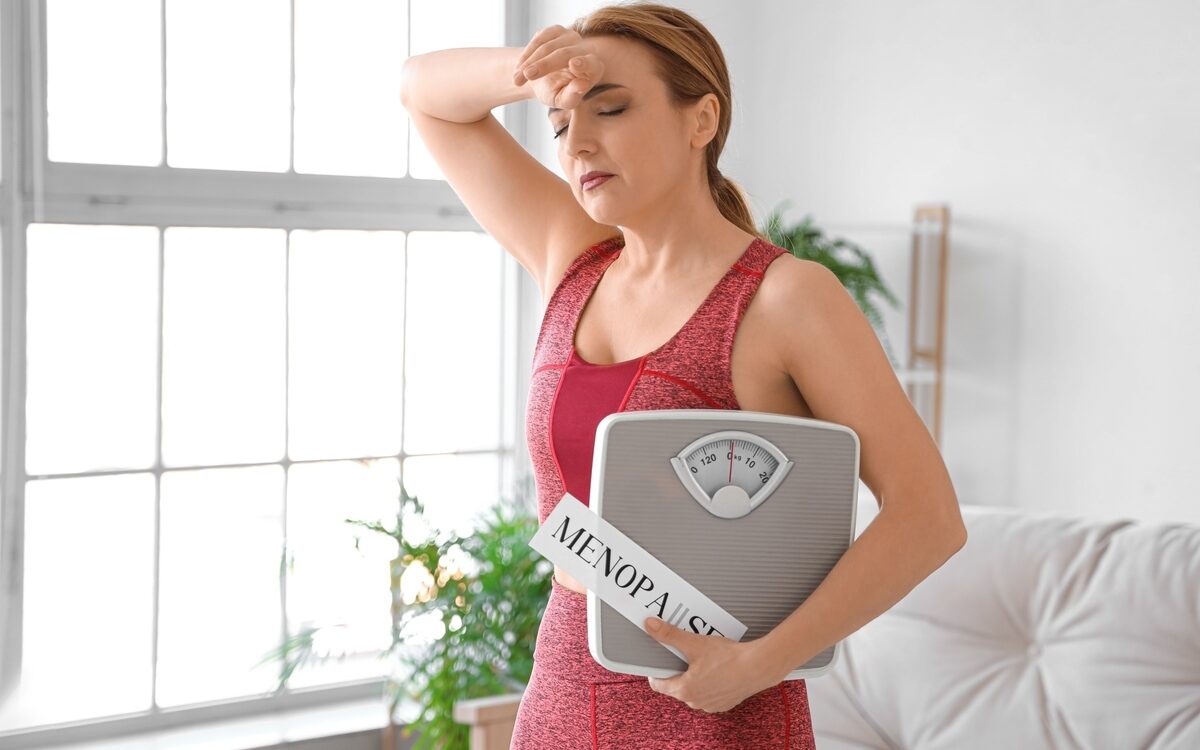
What Happens to Your Body During Perimenopause vs. Menopause?
What Happens to Your Body During Perimenopause vs. Menopause? Something feels different. Your sleep is off. Your mood shifts without warning. Your period shows up late one month and twice the next. You are not imagining it, and you are not alone. Millions of women go through this exact experience and are not sure what to call it. Understanding perimenopause vs menopause is the first step toward making sense of what your body is doing and figuring out what kind of support you actually need. These two stages are related, but they are not the same thing. They affect your body differently, show up differently, and call for different responses. This guide breaks down exactly what is happening during each phase, what symptoms to watch for, and when it may be time to talk to a provider about your options. What Is the Difference Between Perimenopause and Menopause? The confusion between perimenopause vs menopause is understandable because one leads directly into the other. They are part of the same hormonal journey, but they represent different points along the way. Perimenopause is the transition phase. It is the years leading up to menopause when your hormone levels, specifically estrogen and progesterone, begin to fluctuate and gradually decline. This phase can begin as early as your late 30s and typically lasts anywhere from four to ten years. Menopause is a specific milestone, not a phase. It is defined as going 12 consecutive months without a menstrual period. According to the North American Menopause Society, the average age at which women reach menopause in the United States is 51. Once you have reached that 12-month mark, you are considered postmenopausal. Everything before that point, when your cycle is changing but has not stopped, falls under perimenopause. What Happens to Your Hormones During Each Stage Hormones drive everything in this transition. Understanding what is shifting and why explains nearly every symptom women experience. During perimenopause, your ovaries begin producing less estrogen and progesterone, but not in a steady, predictable decline. Levels spike and drop erratically. That instability is what causes so many of the symptoms women notice first. According to the Cleveland Clinic, follicle-stimulating hormone (FSH) levels rise during perimenopause as the brain works harder to signal the ovaries to produce estrogen. A blood test measuring FSH is one way providers confirm that perimenopause has begun. By the time menopause is reached, estrogen levels have dropped significantly and stabilized at a consistently low level. The erratic swings quiet down, but the low baseline brings its own set of long-term health considerations, including changes in bone density and cardiovascular health. Perimenopause Symptoms vs. Menopause Symptoms This is where understanding perimenopause vs menopause becomes especially practical. While there is overlap, the experience of each stage is often distinct. Symptom Perimenopause Menopause / Postmenopause Menstrual cycle Irregular — shorter, longer, heavier, or lighter Periods have stopped completely Hot flashes Present, often unpredictable May persist or intensify in early postmenopause Night sweats Common, tied to erratic estrogen swings Continue for many women without treatment Mood changes Anxiety, irritability, and low mood May continue; often linked to sleep disruption Sleep disruption Difficulty falling or staying asleep Persists, often worsened by night sweats Brain fog Difficulty concentrating and forgetfulness Can continue at a lower estrogen baseline Sex drive Decreased Continues to decline without intervention Vaginal dryness Begins during this stage Tends to worsen over time without treatment Bone density Early decline begins Accelerates significantly in first 1 to 2 years Cardiovascular risk Begins to shift as estrogen fluctuates Increases as estrogen stabilizes at a low level Weight changes Common, especially around the midsection Continues into postmenopause How Long Does Each Stage Last? One of the most common questions women have when they start experiencing symptoms is how long this is going to last. Perimenopause varies widely from woman to woman. For most, it lasts between four and eight years. Some women move through it in two to three years. Others experience a longer transition. The unpredictability is part of what makes this phase challenging. Menopause itself is a single point in time. You reach it, and then you are in postmenopause for the rest of your life. The symptoms associated with low estrogen, however, do not simply stop the day you hit that 12-month mark. Many women continue to experience them for years afterward. This is why so many women explore options like hormone replacement therapy during and after this transition. HRT is designed to restore hormone levels that have declined, addressing the root cause of many of these symptoms rather than simply managing them one by one. When Should You Talk to a Provider? There is no single right time to seek help, but there are clear signals that your symptoms are affecting your quality of life and deserve medical attention. Consider reaching out to a provider if you are experiencing: Hot flashes or night sweats that are disrupting your sleep regularly Mood changes that are affecting your relationships or your ability to function at work A period that has been absent for several months but you have not yet reached the 12-month mark Vaginal dryness or discomfort that is affecting intimacy Fatigue and brain fog that feel disproportionate to your lifestyle Concerns about long-term bone or heart health given your family history According to the National Institutes of Health, many women go without treatment simply because they are not sure their symptoms are severe enough to mention. There is no threshold you have to hit before you deserve support. If symptoms are affecting your daily life, that is reason enough to have the conversation. How Hormone Replacement Therapy Addresses These Changes For many women navigating perimenopause vs menopause, hormone replacement therapy is the most effective tool available for managing symptoms and protecting long-term health. By supplementing estrogen, progesterone, or both, HRT works with your body’s shifting chemistry rather than against it. Women who use HRT often report meaningful improvement in: Hot flashes and night sweats Sleep