
Elevate Testosterone & Weight Loss

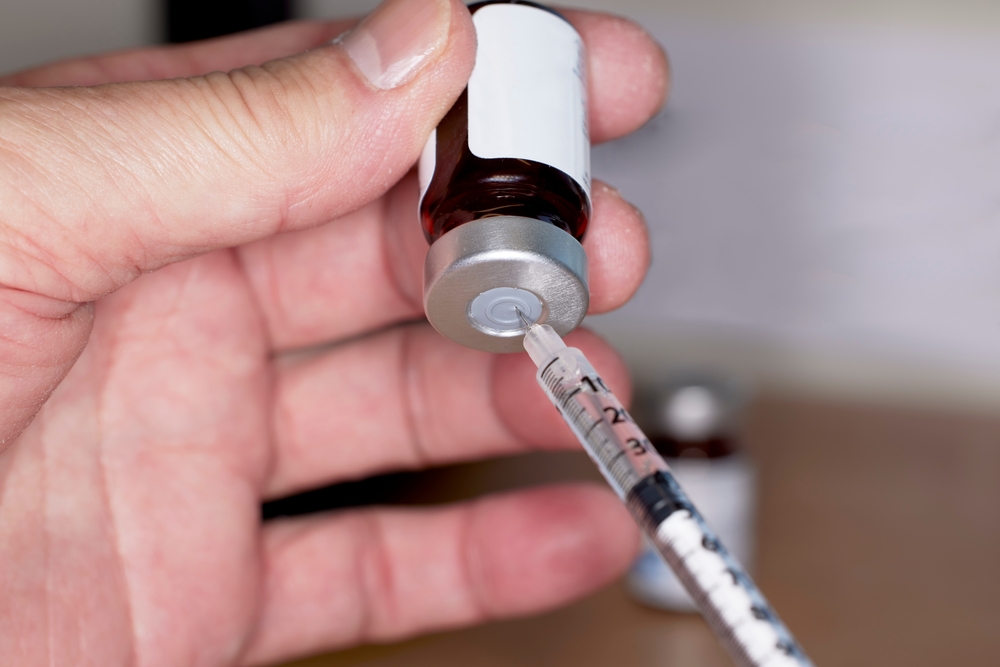
Hand drawing testosterone injection from vial showing how long TRT takes to work for men in Oswego IL

How Long Does It Take for TRT to Actually Work?

How Long Does It Take for TRT to Actually Work? If you have just started testosterone replacement therapy, or you are seriously considering it, one question is probably on your mind more than any other: when am I actually going to feel different? It is a fair question, and the honest answer is that TRT does not work like flipping a switch. It works more like turning up a dial, gradually and progressively, over a period of weeks and months. Some changes come earlier than you might expect. Others take longer than most people realize. Understanding this timeline before you start makes all the difference between giving your treatment a real chance and giving up too soon. Here is a research-backed, realistic breakdown of what to expect and when. Why TRT Does Not Work Overnight Testosterone does not simply enter your bloodstream and immediately fix everything. It works by binding to androgen receptors throughout your body, including in your brain, muscles, fat tissue, and bones, and triggering a cascade of biological changes at the cellular level. These changes take time to accumulate and express themselves as noticeable improvements in how you feel and look. The speed at which you respond also depends on several individual factors: How low your testosterone was before starting treatment. Men with very low baseline levels often notice earlier improvements because the contrast is greater. Your age and overall metabolic health. Younger men with fewer underlying conditions tend to respond more quickly. The delivery method used. Injections reach peak levels faster than pellets or topical gels. Your lifestyle habits. Sleep quality, diet, exercise, and stress management all influence how well your body responds to therapy. Consistent dosing and regular lab monitoring. Dosing adjustments based on your labs are often necessary and can significantly affect the timeline. A peer-reviewed study published in the European Journal of Endocrinology tracked the onset of TRT effects across multiple body systems and confirmed that different symptoms respond on very different timescales, with some improving within weeks and others requiring six months to a year for full expression. The TRT Timeline: What to Expect Week by Week and Month by Month Rather than giving you a single answer, here is an honest breakdown of when each major benefit of TRT typically begins to show and when it reaches its peak. Weeks 1 to 3 Energy, mood, and sleep begin to shift Many men report the first noticeable changes within the first two to three weeks. These early shifts are typically subtle but meaningful: a bit more energy in the morning, less of that dragging feeling by mid-afternoon, slightly improved mood, and better sleep quality. Brain fog may begin to lift during this window. These early improvements are not dramatic, but they are real and they signal that your body is responding to the therapy.Weeks 3 to 6 Libido and motivation improve noticeably Sexual interest is one of the first symptoms of low testosterone to respond to treatment. Research published in the European Journal of Endocrinology found that improvements in sexual interest typically appear after three weeks and plateau around six weeks. Many men also notice improved motivation, sharper mental focus, and a general sense of feeling more like themselves during this period. Mood improvements become more consistent, though full stabilization takes longer.Weeks 6 to 12 Energy stabilizes, early body composition shifts begin By the six to twelve week mark, the initial energy boost tends to become more consistent rather than coming in waves. Early changes in body composition may start becoming noticeable during this window, particularly a reduction in abdominal fat and a subtle improvement in muscle tone, especially in men who are combining TRT with regular strength training. This is also when most providers schedule a follow-up lab panel to assess testosterone levels and make any necessary dosing adjustments. Months 3 to 6 Body composition, strength, and mood reach significant improvement The three to six month period is where many men feel the most transformative changes. Lean muscle mass increases more noticeably, fat mass continues to decrease, and physical strength improves. Mood stabilization is more complete during this period. For men who came into TRT with symptoms of depression or anxiety tied to low testosterone, the research suggests maximum mood benefits tend to emerge between months four and seven. Erectile function, if it was affected by low T, often shows meaningful improvement by the four to six month mark. Months 6 to 12 Peak effects on body composition and metabolic health By six to twelve months, most of TRT’s major benefits on body composition have reached or are approaching their peak. Lean mass gains stabilize, fat loss levels out, and insulin sensitivity and metabolic markers show meaningful improvement. Bone density benefits, which take the longest of all, become measurable after six months and continue improving for several years. This is also when most men feel the full baseline of what their optimized testosterone levels can deliver in terms of energy, confidence, and overall vitality. What the Research Actually Says The most comprehensive clinical review on TRT timelines, published in the European Journal of Endocrinology, analyzed the onset and peak of every major TRT benefit and found the following general pattern: Sexual interest: improves within 3 weeks, plateaus at 6 weeks Quality of life and mood: noticeable within 3 to 4 weeks, maximum benefit at 18 to 30 weeks Depressive symptoms: detectable improvement at 3 to 6 weeks, peak improvement at 18 to 30 weeks Body composition and muscle: changes emerge at 12 to 16 weeks, stabilizing at 6 to 12 months Bone density: measurable after 6 months, continuing for up to 3 years The Endocrine Society’s clinical practice guidelines on testosterone therapy recommend follow-up lab testing at 6 to 8 weeks after initiating treatment, with dosing adjusted based on results. This monitoring phase is not optional. It is a critical part of making sure your treatment is actually working at the right level for your individual biology. What If You

Man discussing TRT for men during testosterone therapy consultation

TRT for Men: Benefits, Risks & What to Expect

TRT for Men: Benefits, Risks & What to Expect If you have been feeling unusually tired, noticing strength loss, or experiencing libido changes that do not improve with sleep or training, you may be researching TRT for men to see whether hormone levels could be contributing. These symptoms can feel frustrating, especially when you are doing everything right and still not feeling like yourself. Here is what you need to know. Hormone therapy is not about chasing shortcuts. It is about restoring balance when blood testing confirms a deficiency. In this guide, you will learn how treatment works, what benefits are realistic, what risks to consider, and what the evaluation process typically involves. How TRT for Men Works in the Body Testosterone replacement therapy is prescribed only after laboratory testing confirms low testosterone levels. Symptoms alone are not enough. This is important because fatigue, mood shifts, and body composition changes can have multiple causes. Many men first wonder whether natural adjustments could help. If you are debating that question, this explanation of natural testosterone support compared to medical therapy walks through when sleep, nutrition, and resistance training may help and when structured treatment becomes appropriate. Testosterone affects muscle maintenance, red blood cell production, libido, bone density, and mood regulation. When levels decline significantly, your body does not operate at its usual baseline. According to the Endocrine Society, treatment should begin only after confirmed laboratory testing and clinical evaluation. That protects you from unnecessary therapy. Recognizing Low Testosterone Symptoms Low testosterone symptoms usually develop gradually. You might notice that recovery from workouts takes longer. You may feel less motivated or experience persistent fatigue in men that does not improve with rest. Other common patterns include muscle mass decline, increased body fat, and libido changes. The key difference between temporary burnout and hormone deficiency is consistency. If symptoms persist for months despite good habits, further evaluation may be appropriate. For example, you may still train consistently but struggle to maintain strength. Or you may wake up tired even after a full night of sleep. Those patterns often prompt further investigation. What Testosterone Therapy Benefits Really Look Like When testosterone replacement therapy is medically indicated, improvements are often noticeable but gradual. This works because restoring hormone levels helps your body function closer to its natural baseline. You may experience improved energy, better focus, stronger workouts, and more stable mood. Many men also report improvements in libido and recovery. The timeline usually unfolds over weeks, not days. Energy often improves within the first month. Physical changes such as muscle definition or body composition adjustments may take several months. It is important to remember that therapy supports your body. It does not replace training, nutrition, or sleep. Risks and Why Monitoring Matters Every medical treatment carries risk. Being informed helps you make smarter decisions. Possible side effects include elevated red blood cell count, mild fluid retention, acne, and fertility suppression. Monitoring reduces risk significantly. According to the Mayo Clinic, testosterone therapy can improve symptoms but requires regular lab work to ensure safe hormone levels and stable blood markers. You might be wondering why red blood cell count matters. Testosterone can stimulate production. If levels rise too high, blood thickness may increase. That is why follow up testing is essential. Fertility is another consideration. If you plan to have children, discuss this before beginning treatment. Therapy can reduce sperm production, although medical strategies may help preserve fertility when planned correctly. What the Evaluation Process Typically Includes If you decide to pursue testing, the process is straightforward. You review symptoms and medical history. Blood work is performed in the morning when testosterone levels are highest. If results are low, confirmation testing is usually done. Once confirmed, treatment goals are discussed and dosing is tailored to your needs. Ongoing lab work ensures levels remain balanced and safe. If you want to understand how structured care and follow up are managed in real clinical settings, this overview of how low testosterone treatment is planned and monitored provides helpful context. Practical Considerations Before Starting Before starting therapy, think about commitment. Hormone replacement therapy is often long term. Stopping usually returns testosterone levels to baseline. Cost varies depending on delivery method and monitoring frequency. Injections are common because they allow precise dosing and predictable absorption. Expect follow up visits and lab testing. Safe treatment is not set and forget. Frequently Asked Questions 1. How do I know if I actually need treatment Only blood testing combined with persistent symptoms can confirm deficiency. 2. Can lifestyle changes improve hormone levels In mild cases, improved sleep, stress reduction, and resistance training may help. Confirmed deficiency often requires medical therapy. 3. Is testosterone replacement therapy safe long term When properly monitored with regular blood work, it is considered safe for appropriate candidates. 4. Will therapy help with weight management It may improve body composition by supporting muscle retention. Diet and exercise remain foundational. 5. What happens if I stop therapy Levels generally return to baseline. Some men experience temporary fatigue during adjustment. Taking the Next Step With Clarity and Confidence Making decisions about hormone health should feel informed, not rushed. When testosterone levels are clinically low, structured treatment can provide meaningful improvements. The key is proper testing, realistic expectations, and ongoing monitoring. If you would like to explore what safe hormone replacement therapy options involve and how individualized protocols are developed, reviewing the clinical approach can provide clarity. You can also learn more about TRT injections for men to understand how treatment is administered and what the consultation process typically includes. Disclaimer This article is for educational purposes only and does not replace professional medical advice. Always consult a qualified healthcare provider for diagnosis and treatment decisions based on laboratory testing and your individual health history. References Endocrine Society. Testosterone Therapy Clinical Practice Guidelines. https://www.endocrine.org/clinical-practice-guidelines/testosterone-therapy Mayo Clinic. Testosterone therapy: Potential benefits and risks. https://www.mayoclinic.org/healthy-lifestyle/sexual-health/in-depth/testosterone-therapy/art-20045728

Boost testosterone naturally vs TRT comparison showing lifestyle changes and testosterone therapy

Can You Boost Testosterone Naturally or Is TRT the Smarter Move?

Can You Boost Testosterone Naturally or Is TRT the Smarter Move? Low energy. Reduced motivation. Slower recovery. Changes in body composition. Many men notice subtle shifts over time and wonder whether testosterone levels are part of the picture. If that sounds familiar, you’ve probably asked yourself: can you boost testosterone naturally, or is TRT the smarter move? The answer depends on your symptoms, lab results, age, lifestyle, and long-term goals. In this guide, you’ll learn how natural testosterone support compares to testosterone replacement therapy (TRT), what science says about both approaches, and how to decide which direction may be appropriate for you. Understanding Testosterone Testosterone supports multiple systems in your body, including muscle mass and strength, libido and sexual function, energy and motivation, mood and mental well-being, bone density, and red blood cell production. Testosterone levels naturally decline with age. But lower levels do not automatically mean you need treatment. Clinical guidelines are clear that a diagnosis of testosterone deficiency should be based on both symptoms and confirmed low testosterone on lab testing, not symptoms alone, according to the Endocrine Society. Signs Your Testosterone May Be Low Symptoms of low testosterone can overlap with stress, poor sleep, weight gain, and aging. Common symptoms that may be associated with low testosterone include: Reduced sex drive Erectile dysfunction Persistent fatigue Reduced strength or muscle mass Increased body fat Lower mood or irritability Difficulty concentrating A helpful reminder is that these symptoms may also be caused by other health factors, which is why evaluation matters. Cleveland Clinic provides a plain-language overview of common symptoms and how low testosterone is typically assessed. (Cleveland Clinic, 2022) Can You Boost Testosterone Naturally? Natural strategies aim to support your body’s own testosterone production. They tend to help most when testosterone is low-normal or when lifestyle factors are clearly suppressing your levels. Natural approaches are usually built around five pillars: sleep quality and duration, resistance training and recovery, body composition and metabolic health, nutrition and correcting key deficiencies, and stress and alcohol moderation. Sleep Optimization Testosterone production follows a circadian rhythm and peaks during sleep. If your sleep is inconsistent, a practical first step is to focus on: A steady sleep and wake time most days A wind-down routine that reduces late-night stimulation Addressing snoring or possible sleep apnea with a clinician Cutting back alcohol close to bedtime If you are trying to “naturally boost testosterone,” sleep is often the highest ROI step because it supports multiple systems at once. Strength Training and Resistance Exercise Resistance training supports testosterone-friendly physiology, including improved insulin sensitivity, lean mass maintenance, and metabolic health. The key is consistency over intensity. A sustainable plan might include: Two to four strength sessions per week Compound movements that build large muscle groups Progressive overload without overtraining Adequate protein intake Planned recovery days Overtraining, chronic caloric restriction, and poor sleep can push things the wrong direction, even if you are “doing everything right” in the gym. Body Fat Reduction Excess body fat is commonly associated with lower testosterone. There are multiple reasons for this, including changes in hormone signaling and the way hormones are metabolized in the body. A clinical review discusses how obesity is strongly linked with lowered testosterone levels in men, and it also highlights that weight loss can be associated with increases in testosterone. (Fui et al., 2014) This is one reason many men notice improvements in energy, libido, and lab markers when body composition improves, even before considering TRT. Nutrition And Micronutrients Nutrition matters, but it is easy to get pulled into supplement hype. A more grounded approach is: Prioritize protein at meals Build meals around minimally processed foods most of the time Ensure adequate calories if you are training hard Identify and correct true deficiencies with a clinician Supplements do not reliably correct clinical low testosterone. If someone claims they can “replace TRT,” treat that as a red flag. Stress Management Chronic stress affects sleep quality, appetite regulation, and training recovery. Alcohol can also affect sleep architecture and recovery, which can indirectly influence hormone balance. If you are doing “all the right things” but still feel off, consider whether: Work stress keeps you wired at night You are under-eating while overtraining Alcohol is disrupting recovery Sleep is fragmented even when you get enough hours These are common, fixable barriers. What Is Testosterone Replacement Therapy (TRT)? TRT involves prescribing testosterone under medical supervision for men with confirmed testosterone deficiency and symptoms. It is a structured medical treatment that requires clinical follow-up, not a shortcut for fat loss or a performance enhancement program. TRT is not: A shortcut for fat loss A replacement for sleep and lifestyle A performance enhancement program A guarantee of specific outcomes TRT is a medical treatment, and it requires clinical follow-up. How TRT Works TRT raises your circulating testosterone into a target range determined by your clinician, typically with symptom tracking and ongoing lab monitoring. Common delivery methods include injections, topical gels, and pellets. Each method has its own pros and cons related to dosing stability, convenience, and monitoring frequency. One important thing many men do not know going in is that TRT can suppress your body’s own testosterone production. That is why candidacy evaluation and ongoing monitoring are a core part of responsible care. If you want to understand what that process looks like, you can read more about men’s TRT at Elevate and what a supervised program involves. Natural Testosterone Support Vs TRT: Side-By-Side Comparison Factor Natural Testosterone  TRT Primary Goal Support your body’s own production Replace testosterone to a target range Best Fit Lifestyle-driven suppression, borderline labs Confirmed deficiency with symptoms Timeline Gradual Often more noticeable earlier Monitoring Optional but recommended Ongoing medical monitoring Dependency No Can suppress natural production Fertility Considerations Typically unchanged Can affect fertility planning Which One Is Smarter For You? Natural strategies often make sense if your biggest issues are poor sleep, inconsistent training, excess body fat, high stress, or irregular routines. TRT may be worth discussing if you have symptoms that meaningfully