
Elevate Testosterone & Weight Loss

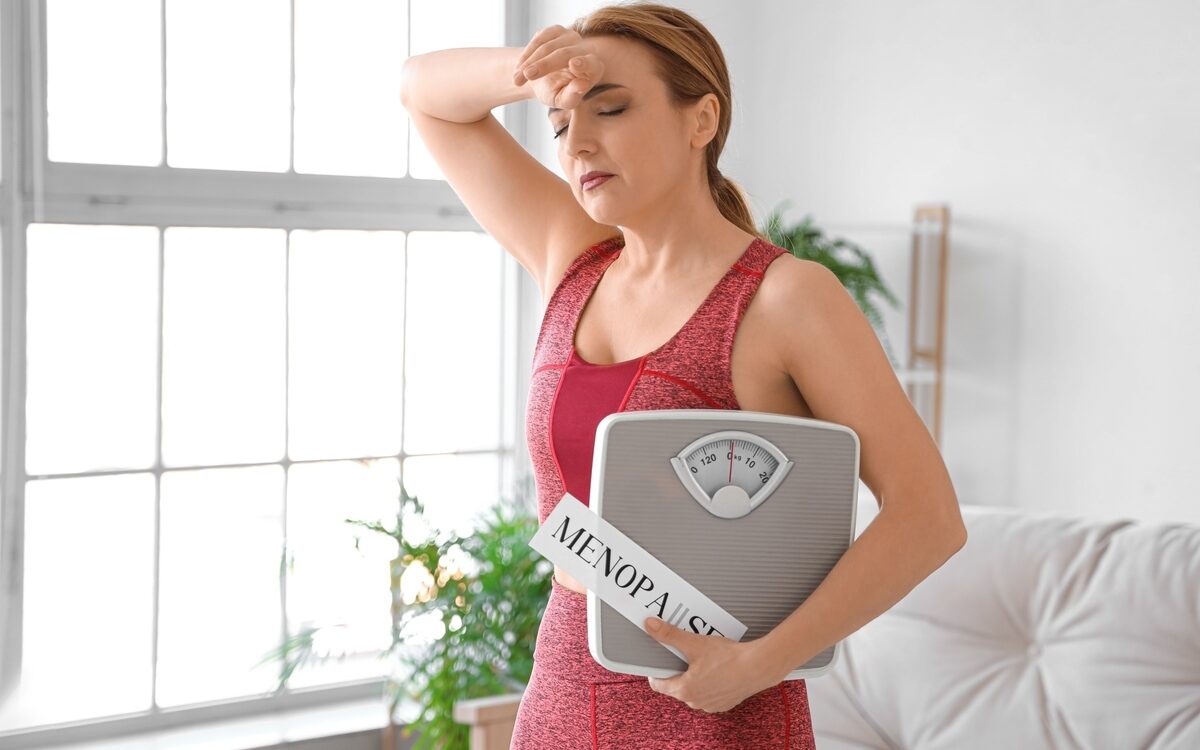
Woman in her 40s learning about perimenopause vs menopause symptoms at home

What Happens to Your Body During Perimenopause vs. Menopause?

What Happens to Your Body During Perimenopause vs. Menopause? Something feels different. Your sleep is off. Your mood shifts without warning. Your period shows up late one month and twice the next. You are not imagining it, and you are not alone. Millions of women go through this exact experience and are not sure what to call it. Understanding perimenopause vs menopause is the first step toward making sense of what your body is doing and figuring out what kind of support you actually need. These two stages are related, but they are not the same thing. They affect your body differently, show up differently, and call for different responses. This guide breaks down exactly what is happening during each phase, what symptoms to watch for, and when it may be time to talk to a provider about your options. What Is the Difference Between Perimenopause and Menopause? The confusion between perimenopause vs menopause is understandable because one leads directly into the other. They are part of the same hormonal journey, but they represent different points along the way. Perimenopause is the transition phase. It is the years leading up to menopause when your hormone levels, specifically estrogen and progesterone, begin to fluctuate and gradually decline. This phase can begin as early as your late 30s and typically lasts anywhere from four to ten years. Menopause is a specific milestone, not a phase. It is defined as going 12 consecutive months without a menstrual period. According to the North American Menopause Society, the average age at which women reach menopause in the United States is 51. Once you have reached that 12-month mark, you are considered postmenopausal. Everything before that point, when your cycle is changing but has not stopped, falls under perimenopause. What Happens to Your Hormones During Each Stage Hormones drive everything in this transition. Understanding what is shifting and why explains nearly every symptom women experience. During perimenopause, your ovaries begin producing less estrogen and progesterone, but not in a steady, predictable decline. Levels spike and drop erratically. That instability is what causes so many of the symptoms women notice first. According to the Cleveland Clinic, follicle-stimulating hormone (FSH) levels rise during perimenopause as the brain works harder to signal the ovaries to produce estrogen. A blood test measuring FSH is one way providers confirm that perimenopause has begun. By the time menopause is reached, estrogen levels have dropped significantly and stabilized at a consistently low level. The erratic swings quiet down, but the low baseline brings its own set of long-term health considerations, including changes in bone density and cardiovascular health. Perimenopause Symptoms vs. Menopause Symptoms This is where understanding perimenopause vs menopause becomes especially practical. While there is overlap, the experience of each stage is often distinct. Symptom Perimenopause Menopause / Postmenopause Menstrual cycle Irregular — shorter, longer, heavier, or lighter Periods have stopped completely Hot flashes Present, often unpredictable May persist or intensify in early postmenopause Night sweats Common, tied to erratic estrogen swings Continue for many women without treatment Mood changes Anxiety, irritability, and low mood May continue; often linked to sleep disruption Sleep disruption Difficulty falling or staying asleep Persists, often worsened by night sweats Brain fog Difficulty concentrating and forgetfulness Can continue at a lower estrogen baseline Sex drive Decreased Continues to decline without intervention Vaginal dryness Begins during this stage Tends to worsen over time without treatment Bone density Early decline begins Accelerates significantly in first 1 to 2 years Cardiovascular risk Begins to shift as estrogen fluctuates Increases as estrogen stabilizes at a low level Weight changes Common, especially around the midsection Continues into postmenopause How Long Does Each Stage Last? One of the most common questions women have when they start experiencing symptoms is how long this is going to last. Perimenopause varies widely from woman to woman. For most, it lasts between four and eight years. Some women move through it in two to three years. Others experience a longer transition. The unpredictability is part of what makes this phase challenging. Menopause itself is a single point in time. You reach it, and then you are in postmenopause for the rest of your life. The symptoms associated with low estrogen, however, do not simply stop the day you hit that 12-month mark. Many women continue to experience them for years afterward. This is why so many women explore options like hormone replacement therapy during and after this transition. HRT is designed to restore hormone levels that have declined, addressing the root cause of many of these symptoms rather than simply managing them one by one.   When Should You Talk to a Provider? There is no single right time to seek help, but there are clear signals that your symptoms are affecting your quality of life and deserve medical attention. Consider reaching out to a provider if you are experiencing: Hot flashes or night sweats that are disrupting your sleep regularly Mood changes that are affecting your relationships or your ability to function at work A period that has been absent for several months but you have not yet reached the 12-month mark Vaginal dryness or discomfort that is affecting intimacy Fatigue and brain fog that feel disproportionate to your lifestyle Concerns about long-term bone or heart health given your family history According to the National Institutes of Health, many women go without treatment simply because they are not sure their symptoms are severe enough to mention. There is no threshold you have to hit before you deserve support. If symptoms are affecting your daily life, that is reason enough to have the conversation. How Hormone Replacement Therapy Addresses These Changes For many women navigating perimenopause vs menopause, hormone replacement therapy is the most effective tool available for managing symptoms and protecting long-term health. By supplementing estrogen, progesterone, or both, HRT works with your body’s shifting chemistry rather than against it. Women who use HRT often report meaningful improvement in: Hot flashes and night sweats Sleep


Woman fanning herself at home with laptop researching HRT help for anxiety and perimenopause mood changes

Does HRT Help With Anxiety and Mood Changes During Perimenopause?

Does HRT Help With Anxiety and Mood Changes During Perimenopause? If you have been feeling more anxious than usual, snapping at people you love, or waking up at 3am with your mind racing, you are not imagining things and you are not losing your mind. For many women in their late 30s and 40s, these are among the first signs that perimenopause has begun. What surprises most people is that anxiety and mood changes often show up before the hot flashes do. And once they arrive, they can seriously affect your quality of life. The good news is that there is a biological explanation for what you are experiencing, and hormone replacement therapy may be one of the most effective tools for addressing it. Why Perimenopause Triggers Anxiety and Mood Changes Perimenopause is the transitional phase leading up to menopause, typically beginning in a woman’s mid to late 40s, though it can start as early as the late 30s. During this time, estrogen and progesterone levels do not decline in a smooth, gradual way. They fluctuate erratically, sometimes spiking and then dropping sharply within the same week. It is this unpredictability, not just the overall decline, that drives many of the psychological symptoms women experience. Estrogen plays a critical role in brain chemistry. It influences the production and regulation of serotonin, dopamine, and GABA, the neurotransmitters responsible for mood stability, emotional regulation, and feelings of calm. When estrogen levels drop or fluctuate wildly, the brain’s chemical balance is disrupted. The result can feel like anxiety that comes out of nowhere, irritability that seems disproportionate to the situation, or a low-level sadness that you cannot quite explain. Progesterone adds another layer to this picture. Progesterone has natural calming properties, partly because it converts to a compound that acts on GABA receptors in the brain. When progesterone levels fall during perimenopause, that calming effect disappears. Women who have always handled stress well may suddenly find themselves feeling overwhelmed by situations that never used to bother them. According to research published by the National Institute of Mental Health, women are at significantly higher risk for new-onset depression and anxiety during the perimenopausal transition compared to premenopausal years, even in women with no prior history of mood disorders. What the Research Says About HRT and Anxiety Relief Hormone replacement therapy works by restoring more stable levels of estrogen and progesterone in the body. Rather than allowing these hormones to fluctuate unpredictably, HRT provides a consistent hormonal baseline. For many women, this stabilization has a direct and meaningful effect on mood and anxiety. A comprehensive review by the Menopause Society (formerly NAMS) found that estrogen therapy has demonstrated antidepressant and anxiolytic effects in perimenopausal women, particularly those whose mood symptoms are directly tied to hormonal fluctuations rather than independent psychological conditions. The key distinction clinicians make is between mood symptoms that are hormonally driven and those rooted in other causes. For women whose anxiety and mood changes began during perimenopause, correlate with other hormonal symptoms like sleep disruption or hot flashes, and are not explained by major life stressors alone, HRT tends to be highly effective. For women with a pre-existing anxiety disorder, HRT can still be beneficial but works best as part of a broader treatment approach. Bioidentical hormone therapy, which uses hormones that are molecularly identical to those your body produces naturally, is one option that many women and providers prefer for its ability to be precisely dosed and adjusted based on lab work and symptom response. The Role of Estrogen in Mood Regulation To understand why HRT can help with anxiety, it helps to understand what estrogen actually does in the brain. Estrogen receptors are found throughout the central nervous system, including in the areas most responsible for emotional processing: the amygdala, hippocampus, and prefrontal cortex. When estrogen levels are adequate and stable, it supports: Serotonin synthesis and receptor sensitivity, which supports feelings of wellbeing and emotional resilience Dopamine activity, which affects motivation, focus, and the ability to feel pleasure GABA receptor function, which promotes calm and reduces the nervous system’s tendency to stay in a heightened state of alert The stress response system, helping regulate cortisol so you do not feel constantly on edge When estrogen drops or fluctuates, all of these systems are affected simultaneously. That is why perimenopausal anxiety often feels different from situational anxiety. It is not tied to a specific worry or event. It feels more like a constant low hum of unease, or sudden waves of panic that do not have an obvious trigger. Progesterone and Its Calming Effect on the Brain Progesterone is less discussed than estrogen when it comes to mood, but it plays an equally important role. The body converts progesterone into a neurosteroid called allopregnanolone, which binds to GABA-A receptors in the brain. GABA is the primary inhibitory neurotransmitter, essentially the brain’s natural brake system. When GABA activity is high, you feel calm. When it is low, anxiety increases. During perimenopause, progesterone levels often fall before estrogen does. This means many women enter an extended period where their natural calming neurosteroid is depleted. This can manifest as difficulty winding down at night, a sense of restlessness or dread that has no clear source, or emotional reactivity that feels out of character. HRT formulations that include progesterone, particularly bioidentical micronized progesterone, have been shown to support this GABA pathway and restore some of that calming effect. Many women report improved sleep quality and reduced nighttime anxiety as one of the earliest benefits they notice after starting HRT.   How HRT Is Approached at Elevate Testosterone and Weight Loss At Elevate Testosterone and Weight Loss in Oswego, IL, hormone replacement therapy is not a one-size-fits-all prescription. Every patient begins with a thorough symptom review and comprehensive lab work to identify exactly where hormone levels stand and how specific deficiencies may be contributing to mood and anxiety symptoms. From there, your nurse practitioner builds a personalized treatment plan that may include estrogen therapy, progesterone