
Elevate Testosterone & Weight Loss

Woman eating healthy vegetables wondering why hormonal imbalance weight gain happens despite a good diet

Can Hormonal Imbalances Cause Weight Gain Even When You Eat Well?

Can Hormonal Imbalances Cause Weight Gain Even When You Eat Well? You are eating well, staying consistent, and doing everything right. But the number on the scale is not moving. In some cases it is even going up. If this sounds familiar, you are not failing. You may be dealing with hormonal imbalance weight gain, a real and well-documented biological process that makes losing weight genuinely harder regardless of diet or effort. Hormones regulate far more than mood and reproduction. They control how your body stores fat, burns calories, manages hunger signals, and responds to the food you eat. When those hormones fall out of balance, the body can actively work against your weight loss efforts even when your habits are solid. Understanding this connection is often the first step toward finally getting results. What Is Hormonal Imbalance Weight Gain? Hormonal imbalance weight gain happens when one or more of the body’s key hormones are produced in excess, produced in insufficient amounts, or no longer communicating properly with the cells that need them. The result is a metabolic environment that favors fat storage, slows calorie burning, increases cravings, and disrupts the body’s ability to use food as fuel. According to the National Institute of Diabetes and Digestive and Kidney Diseases, underlying metabolic and hormonal factors are among the most common reasons people struggle to lose weight despite consistent effort. This is not a willpower problem. It is a biology problem. The hormones most commonly linked to unexplained weight gain include: Insulin Cortisol Estrogen Progesterone Testosterone Thyroid hormones (T3 and T4) Each of these plays a specific role in how your body manages weight. When any of them shift out of range, the effects can show up on the scale even before you notice any other symptoms. The Key Hormones Behind Unexplained Weight Gain Insulin and Insulin Resistance Insulin is the hormone responsible for moving glucose from the bloodstream into your cells to be used as energy. When insulin works properly, your body burns fuel efficiently. When cells stop responding to insulin correctly, a condition called insulin resistance develops. According to the Centers for Disease Control and Prevention, insulin resistance is closely linked to excess body fat, particularly around the abdomen, and can develop gradually even in people who eat relatively healthy diets. When your cells resist insulin’s signal, glucose stays in the bloodstream longer, triggering the body to store it as fat rather than burn it as energy. Signs that insulin resistance may be contributing to your weight gain include: Persistent belly fat that does not respond to diet or exercise Strong sugar or carbohydrate cravings, especially in the afternoon Energy crashes after meals Difficulty losing weight even on a calorie deficit Cortisol and Chronic Stress Cortisol is your body’s primary stress hormone. In short bursts it serves a useful purpose, helping you respond to immediate challenges. But when stress becomes chronic, cortisol levels stay elevated for extended periods, and this is where hormonal imbalance weight gain becomes a serious issue. According to research published by Harvard Medical School, elevated cortisol promotes fat storage in the abdominal area, increases appetite, and drives cravings for high-calorie, high-sugar foods. This creates a cycle where stress leads to eating more, storing more fat, and feeling less in control of weight despite genuine efforts to manage it. Estrogen Imbalance in Women Estrogen plays a central role in how women’s bodies distribute fat. When estrogen levels drop, as they naturally do during perimenopause and menopause, the body shifts fat storage from the hips and thighs to the abdomen. This explains why many women notice changes in their body composition during midlife even when their diet and activity levels have not changed. Estrogen dominance, where estrogen is elevated relative to progesterone, can also contribute to weight gain, bloating, and water retention. Both ends of the estrogen spectrum can cause the scale to move in the wrong direction for reasons that have nothing to do with food choices. Common signs of estrogen-related hormonal imbalance weight gain include: Sudden increase in belly fat during perimenopause or menopause Bloating and water retention not explained by diet Weight gain alongside hot flashes, sleep disruption, or mood changes Difficulty losing weight that began around age 40 or later Low Testosterone in Men and Women Testosterone is not just a male hormone. Both men and women rely on it to maintain muscle mass, support metabolism, and regulate fat distribution. When testosterone declines, which happens naturally with age and can be accelerated by stress, poor sleep, and certain medical conditions, the body loses muscle and gains fat even without changes in calorie intake. According to the National Institutes of Health, low testosterone in men is associated with increased body fat, reduced lean muscle mass, and metabolic changes that make weight management significantly more difficult. For women, even modest declines in testosterone can reduce the metabolic rate and make fat loss harder than it should be. How Hormonal Imbalance Weight Gain Differs From Regular Weight Gain Regular weight gain responds to changes in diet and activity. If you eat less and move more, you lose weight. Hormonal imbalance weight gain does not follow this pattern. People experiencing it often report: Gaining weight during periods of careful eating Losing weight initially then hitting a wall that will not budge Weight concentrated in specific areas like the abdomen or midsection Fatigue, brain fog, or mood changes accompanying the weight changes Normal results on basic bloodwork while still experiencing symptoms This pattern is a strong signal that hormones need to be evaluated. Lab work that goes beyond a standard panel, including a full hormone profile, can identify imbalances that explain what diet and exercise alone cannot fix. What You Can Do About Hormonal Imbalance Weight Gain The good news is that hormonal imbalance weight gain is treatable once the root cause is identified. The approach depends on which hormones are out of balance and by how much, which is why lab-driven evaluation is essential before starting
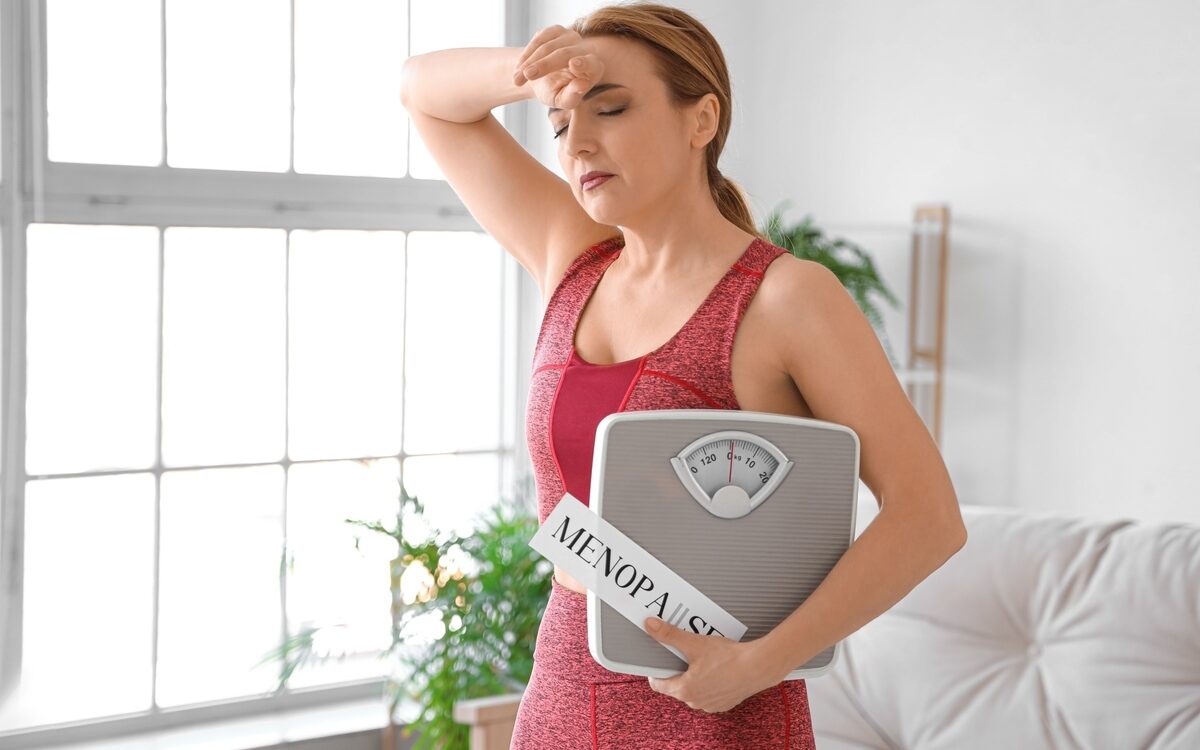

Woman in her 40s learning about perimenopause vs menopause symptoms at home

What Happens to Your Body During Perimenopause vs. Menopause?

What Happens to Your Body During Perimenopause vs. Menopause? Something feels different. Your sleep is off. Your mood shifts without warning. Your period shows up late one month and twice the next. You are not imagining it, and you are not alone. Millions of women go through this exact experience and are not sure what to call it. Understanding perimenopause vs menopause is the first step toward making sense of what your body is doing and figuring out what kind of support you actually need. These two stages are related, but they are not the same thing. They affect your body differently, show up differently, and call for different responses. This guide breaks down exactly what is happening during each phase, what symptoms to watch for, and when it may be time to talk to a provider about your options. What Is the Difference Between Perimenopause and Menopause? The confusion between perimenopause vs menopause is understandable because one leads directly into the other. They are part of the same hormonal journey, but they represent different points along the way. Perimenopause is the transition phase. It is the years leading up to menopause when your hormone levels, specifically estrogen and progesterone, begin to fluctuate and gradually decline. This phase can begin as early as your late 30s and typically lasts anywhere from four to ten years. Menopause is a specific milestone, not a phase. It is defined as going 12 consecutive months without a menstrual period. According to the North American Menopause Society, the average age at which women reach menopause in the United States is 51. Once you have reached that 12-month mark, you are considered postmenopausal. Everything before that point, when your cycle is changing but has not stopped, falls under perimenopause. What Happens to Your Hormones During Each Stage Hormones drive everything in this transition. Understanding what is shifting and why explains nearly every symptom women experience. During perimenopause, your ovaries begin producing less estrogen and progesterone, but not in a steady, predictable decline. Levels spike and drop erratically. That instability is what causes so many of the symptoms women notice first. According to the Cleveland Clinic, follicle-stimulating hormone (FSH) levels rise during perimenopause as the brain works harder to signal the ovaries to produce estrogen. A blood test measuring FSH is one way providers confirm that perimenopause has begun. By the time menopause is reached, estrogen levels have dropped significantly and stabilized at a consistently low level. The erratic swings quiet down, but the low baseline brings its own set of long-term health considerations, including changes in bone density and cardiovascular health. Perimenopause Symptoms vs. Menopause Symptoms This is where understanding perimenopause vs menopause becomes especially practical. While there is overlap, the experience of each stage is often distinct. Symptom Perimenopause Menopause / Postmenopause Menstrual cycle Irregular — shorter, longer, heavier, or lighter Periods have stopped completely Hot flashes Present, often unpredictable May persist or intensify in early postmenopause Night sweats Common, tied to erratic estrogen swings Continue for many women without treatment Mood changes Anxiety, irritability, and low mood May continue; often linked to sleep disruption Sleep disruption Difficulty falling or staying asleep Persists, often worsened by night sweats Brain fog Difficulty concentrating and forgetfulness Can continue at a lower estrogen baseline Sex drive Decreased Continues to decline without intervention Vaginal dryness Begins during this stage Tends to worsen over time without treatment Bone density Early decline begins Accelerates significantly in first 1 to 2 years Cardiovascular risk Begins to shift as estrogen fluctuates Increases as estrogen stabilizes at a low level Weight changes Common, especially around the midsection Continues into postmenopause How Long Does Each Stage Last? One of the most common questions women have when they start experiencing symptoms is how long this is going to last. Perimenopause varies widely from woman to woman. For most, it lasts between four and eight years. Some women move through it in two to three years. Others experience a longer transition. The unpredictability is part of what makes this phase challenging. Menopause itself is a single point in time. You reach it, and then you are in postmenopause for the rest of your life. The symptoms associated with low estrogen, however, do not simply stop the day you hit that 12-month mark. Many women continue to experience them for years afterward. This is why so many women explore options like hormone replacement therapy during and after this transition. HRT is designed to restore hormone levels that have declined, addressing the root cause of many of these symptoms rather than simply managing them one by one.   When Should You Talk to a Provider? There is no single right time to seek help, but there are clear signals that your symptoms are affecting your quality of life and deserve medical attention. Consider reaching out to a provider if you are experiencing: Hot flashes or night sweats that are disrupting your sleep regularly Mood changes that are affecting your relationships or your ability to function at work A period that has been absent for several months but you have not yet reached the 12-month mark Vaginal dryness or discomfort that is affecting intimacy Fatigue and brain fog that feel disproportionate to your lifestyle Concerns about long-term bone or heart health given your family history According to the National Institutes of Health, many women go without treatment simply because they are not sure their symptoms are severe enough to mention. There is no threshold you have to hit before you deserve support. If symptoms are affecting your daily life, that is reason enough to have the conversation. How Hormone Replacement Therapy Addresses These Changes For many women navigating perimenopause vs menopause, hormone replacement therapy is the most effective tool available for managing symptoms and protecting long-term health. By supplementing estrogen, progesterone, or both, HRT works with your body’s shifting chemistry rather than against it. Women who use HRT often report meaningful improvement in: Hot flashes and night sweats Sleep