
Elevate Testosterone & Weight Loss

medical weight loss program consultation for weight loss plateau and metabolic health support

How a Medical Weight Loss Program Helps When Diet and Exercise Stop Working

How a Medical Weight Loss Program Helps When Diet and Exercise Stop Working Many people reach a point where healthy eating and regular exercise stop producing noticeable results. If you have been following a consistent routine but the scale refuses to move, you may be experiencing a weight loss plateau. A medical weight loss program can provide a different perspective by examining metabolic health, lifestyle habits, and biological factors that influence how the body regulates weight. You might be wondering why weight loss sometimes becomes more difficult over time. Even when people continue to follow healthy routines, the body can adapt in ways that slow progress. Factors such as metabolism, appetite regulation, sleep patterns, and long-term behavioral habits all play a role in how weight changes over time. Understanding these factors can help explain why some people benefit from a medically guided approach when traditional strategies stop working. If repeated dieting attempts have not produced lasting results, it may help to understand why many common diet strategies fail to produce sustainable weight loss and why long-term approaches often require more than temporary calorie restriction. Understanding How a Medical Weight Loss Program Helps When Diet and Exercise Stop Working When diet and exercise stop producing results, it does not necessarily mean that healthy habits are ineffective. Instead, it often means that additional factors are influencing the body’s ability to lose weight. Several biological and behavioral influences may contribute to stalled progress. Metabolic Adaptation One of the most common reasons people experience stalled weight loss is metabolic adaptation. When the body undergoes long periods of calorie restriction, it may respond by slowing metabolism to conserve energy. This response is a natural survival mechanism that helped humans survive food shortages historically. However, in modern weight management, it can make continued progress more difficult. According to the National Institute of Diabetes and Digestive and Kidney Diseases, body weight is regulated by a complex interaction of metabolic processes, hormones, and appetite signals. As weight decreases, the body may require fewer calories, which means the same diet that once worked may eventually stop producing results. Changes in Appetite Signals Appetite regulation is controlled by several hormones that signal hunger and fullness. During long-term dieting, these signals can change. For example: hunger hormones may increase fullness signals may decrease cravings may become stronger These changes can make it harder to maintain the same eating habits that initially supported weight loss. Lifestyle Factors That Affect Weight Weight management is influenced by more than diet alone. Daily routines and environmental factors can have a significant impact. Examples include: sleep quality stress levels work schedules emotional eating triggers When these factors are not addressed, even well-planned nutrition strategies may become difficult to maintain. Weight Loss Plateaus Weight loss plateaus are extremely common. As body weight decreases, the body naturally adjusts to maintain stability. This means that: calorie needs decrease energy expenditure may change progress may slow temporarily Plateaus are not a sign of failure. Instead, they often indicate that adjustments may be needed to continue making progress. The Role of Medically Supervised Weight Loss Medically supervised weight loss focuses on identifying the factors that influence weight management rather than relying only on calorie reduction. A physician guided weight loss program typically begins with a detailed health evaluation that considers several important areas. Comprehensive Health Evaluation The process often begins by reviewing factors such as: metabolic health indicators lifestyle patterns sleep habits stress levels eating behaviors This information helps identify patterns that may affect weight management. Instead of following a generic plan, individuals may receive strategies that are tailored to their personal health profile. Personalized Nutrition Planning Structured programs often emphasize long-term nutrition strategies rather than short-term dieting. For example, participants may learn how to: build balanced meals maintain consistent eating schedules identify triggers that lead to overeating develop sustainable habits These strategies help people focus on gradual improvements rather than temporary restrictions. Behavioral and Lifestyle Guidance Lifestyle factors often play a significant role in weight regulation. Structured programs may include guidance that helps people address habits that affect long-term progress. Lifestyle support may focus on: improving sleep quality managing stress levels increasing physical activity gradually building consistent routines These adjustments can support both metabolic health and long-term weight stability. How Doctor Supervised Weight Loss Differs From Traditional Dieting Traditional dieting methods usually emphasize calorie restriction as the primary strategy. While this approach can produce short-term results, it may not address the underlying factors influencing weight management. Doctor supervised weight loss programs often take a broader approach. Key differences include: Traditional Dieting Doctor Supervised Weight Loss Focus on calorie restriction Focus on overall metabolic health Short-term goals Long-term sustainability Generic diet plans Personalized strategies Limited professional guidance Ongoing medical oversight This broader perspective can help people understand why progress slowed and what adjustments may support sustainable results. Why Metabolic Health Matters for Long-Term Weight Management Metabolic health plays a major role in how the body processes energy and regulates appetite. Metabolism refers to the processes that convert food into energy. Several factors influence metabolism, including: age sleep patterns physical activity overall health status The Mayo Clinic explains that long-term weight management usually requires consistent lifestyle adjustments rather than temporary dieting. Supporting metabolic health may involve several habits such as: balanced nutrition patterns regular physical activity adequate sleep stress management Together, these factors influence appetite signals, energy balance, and overall health. What to Expect During the Early Stages of Structured Weight Management Many people considering medically supervised care want to understand what the process involves. The early stages typically focus on: evaluating health patterns identifying lifestyle habits establishing sustainable routines Learning what typically happens during the first month of medically supervised weight loss can help individuals understand how structured programs begin and what participants often experience during the first few weeks. This early stage often emphasizes education, habit building, and gradual progress rather than rapid weight changes. Common Mistakes That Can Slow Weight Loss Progress Even people who follow healthy routines


medical weight loss treatments consultation with physician discussing weight management plan

What Are Medical Weight Loss Treatments and How Do They Work?

What Are Medical Weight Loss Treatments and How Do They Work? Losing weight can feel frustrating when diet plans and exercise routines do not lead to the progress you expected. Many people eventually begin exploring medical weight loss treatments when traditional approaches seem to stop working. If you have tried adjusting your diet, increasing activity levels, or following popular weight loss plans without lasting success, you are not alone. Weight management is influenced by more than willpower or discipline. Factors such as metabolism, hormones, lifestyle habits, and appetite regulation all affect how the body stores and uses energy. This is why some individuals turn to medically supervised weight loss programs. Instead of focusing only on calorie reduction, these programs evaluate a broader range of health factors. Healthcare professionals may assess lifestyle patterns, metabolic health, and overall wellness before recommending a plan. This approach can help people understand why previous weight loss attempts may not have worked and what strategies might support better results moving forward. If you want to learn why structured programs often help individuals maintain progress, you may find it helpful to read about how medically supervised programs support sustainable weight management and how professional guidance can improve long term success. In this guide, you will learn how physician guided weight management programs work, what typically happens during the process, and what to expect when exploring structured approaches to improving metabolic health and overall wellness. How Medical Weight Loss Treatments Work Structured care focuses on understanding the factors affecting weight before recommending changes. Instead of applying the same plan to everyone, providers create individualized strategies that consider each person’s health profile. Initial Health Evaluation Most programs begin with a comprehensive health assessment. Healthcare providers often review health history and lifestyle habits to identify factors influencing weight management. Topics that may be discussed include: past weight loss experiences current eating patterns sleep quality stress levels daily activity levels family health history These discussions help providers understand the biological and lifestyle patterns affecting metabolism and appetite control. Some programs may also evaluate metabolic health indicators that influence how efficiently the body converts food into energy. Developing a Personalized Strategy After the evaluation, providers design a plan tailored to the individual. A physician-guided weight loss program typically focuses on sustainable improvements rather than short term dieting. Strategies may include: balanced nutrition guidance gradual increases in physical activity behavioral strategies that encourage consistent habits regular progress tracking Because these plans are personalized, many people find them easier to maintain compared with restrictive diets. Ongoing Monitoring and Support Another important feature of structured programs is continued medical guidance. Weight management is a long term process, and strategies may need to change as the body adapts. Providers often schedule follow up appointments to review progress and address challenges. Monitoring can help identify issues early and ensure that individuals continue moving toward their health goals. If you want to better understand how professional supervision supports safe and effective progress, you can explore how doctor guided weight loss programs help patients lose weight safely and why clinical monitoring can make a meaningful difference. Why Metabolic Health Matters Many people assume weight management depends only on calories and exercise. While these factors are important, metabolic health plays a major role in how the body uses energy. Metabolism determines how efficiently the body converts food into fuel. When metabolism functions well, the body can regulate appetite and energy levels more effectively. However, metabolic changes may occur due to several factors. These may include: hormonal fluctuations aging sleep disruption stress levels lifestyle habits When metabolism slows down, it can become more difficult to lose weight even when someone follows healthy routines. A medical weight loss program often focuses on improving metabolic health because it influences energy balance and fat storage. Hormones and Their Role in Weight Management Hormones are chemical messengers that regulate many processes in the body, including metabolism, appetite, and energy levels. When hormone levels change, the body may respond differently to diet and exercise. For men, declining testosterone levels can influence body composition and energy levels. Reduced testosterone may contribute to increased body fat and decreased muscle mass. Healthcare providers sometimes evaluate hormonal health as part of a broader weight management treatment strategy. These discussions may include: testosterone therapy for men testosterone replacement therapy benefits testosterone levels in men hormone therapy for men testosterone deficiency treatment Addressing hormonal balance may support improvements in metabolic health and energy levels for some individuals. Appetite Regulation and Prescription Support Some individuals experience challenges with appetite control that make long term weight management difficult. In these situations, healthcare providers may discuss additional strategies that support appetite regulation. This may include prescription weight loss medications as part of a broader treatment plan. These medications may help regulate hunger signals or improve metabolic responses when combined with lifestyle changes. Certain treatments involve GLP-1 weight loss medications, which influence hormones that regulate satiety and appetite control. These medications are sometimes used within structured programs alongside nutrition guidance and behavioral strategies. It is important to remember that medication alone is rarely the entire solution. Long term success usually requires lifestyle adjustments and consistent monitoring. Benefits of Physician Guided Programs Many people find that physician guided programs provide advantages compared with traditional dieting methods. Some potential benefits include: personalized strategies based on health history professional monitoring throughout the process improved understanding of metabolic health structured support for lifestyle changes guidance designed for sustainable results Rather than focusing only on rapid weight loss, structured programs aim to improve long term health and overall wellness. According to the National Institute of Diabetes and Digestive and Kidney Diseases, combining lifestyle changes with medical guidance can help individuals maintain healthier weight management outcomes. What Results Can You Expect? Results vary depending on several factors, including starting weight, lifestyle habits, metabolic health, and consistency. Most physician guided programs emphasize gradual progress rather than rapid weight changes. Common improvements may include: steady weight reduction improved daily energy levels healthier eating

Woman discussing HRT for women with healthcare provider

What Is HRT for Women? Benefits, Risks, and What to Expect

What Is HRT for Women? Benefits, Risks, and What to Expect If you have been dealing with hot flashes, restless sleep, mood changes, or unexplained fatigue, you may be wondering whether HRT for women could help restore balance. Hormonal changes during perimenopause and menopause can feel unpredictable and frustrating. When symptoms start affecting your focus, relationships, or overall energy, it is completely normal to look for answers. Here is what you need to know about how hormone therapy works, what benefits are realistic, what risks deserve consideration, and how to think through your options carefully. Understanding HRT for Women and How Hormone Therapy Works Hormone replacement therapy for women is designed to restore declining estrogen and progesterone levels. As ovarian hormone production slows, your body responds in ways that may feel both physical and emotional. You might notice irregular cycles, sudden heat sensations, increased anxiety, sleep disruption, or difficulty concentrating. These changes are often linked to a broader hormone imbalance. If you are unsure whether what you are experiencing may be related to fluctuating hormones, it can help to review early warning signs discussed in this guide on common hormone imbalance symptoms. The goal of menopause hormone therapy is not to turn back time. It is to stabilize hormone levels enough to reduce disruptive symptoms and improve day to day quality of life. Estrogen therapy may be delivered through pills, patches, creams, gels, or injections. If you still have a uterus, progesterone therapy is typically included to protect the uterine lining. Some women also explore bioidentical hormone therapy, which uses hormones chemically identical to those your body naturally produces. This works because steadier hormone levels reduce the intensity of symptoms caused by unpredictable hormonal swings. Why Hormone Levels Change During Perimenopause Perimenopause often begins in your 40s, although it can start earlier or later. During this transition, estrogen levels fluctuate irregularly. One month you may feel completely normal. The next month you may experience noticeable symptoms. Common menopause symptoms include: Hot flashes Night sweats Mood swings Sleep disruption Brain fog Decreased libido Vaginal dryness Joint stiffness For example, frequent night sweats can interrupt sleep multiple times per night. Over time, chronic sleep disruption alone can affect your mood, appetite regulation, and mental clarity. According to The Menopause Society, hormone therapy remains the most effective treatment for moderate to severe vasomotor symptoms such as hot flashes and night sweats. Understanding what is happening inside your body can make the experience feel less confusing and more manageable. Benefits of Hormone Replacement Therapy for Women You might be wondering what improvements are realistic. While every woman’s experience is unique, several benefits are commonly reported. Relief from temperature related symptomsEstrogen therapy can significantly reduce the frequency and intensity of hot flashes and night sweats. Improved sleep qualityWhen nighttime disruptions decrease, your sleep often becomes more restorative. Mood stabilizationBalanced hormone levels may reduce emotional fluctuations linked to estrogen changes. Bone health supportEstrogen plays a key role in maintaining bone density. After menopause, bone loss accelerates. Hormone therapy may help slow this process. Vaginal and urinary comfortLocalized therapy can improve dryness and irritation. If you want a broader perspective on how treatment may support long term health goals, you can explore how hormone replacement therapy supports long term wellness. Risks and Safety Considerations It is important to talk openly about risk. Hormone therapy is not appropriate for everyone. Potential risks may include: Increased risk of blood clots Stroke in certain populations Breast cancer risk with long term combined therapy Gallbladder disease According to Mayo Clinic, starting therapy before age 60 or within 10 years of menopause onset may offer a more favorable balance of benefits and risks for healthy women. The main difference in risk often depends on timing, dosage, and individual medical history. This is why a personalized evaluation matters. Types of Treatment Approaches There is no single approach that fits everyone. Systemic Therapy Pills, patches, sprays, or injections that circulate through your bloodstream and address whole body symptoms. Local Therapy Creams or vaginal tablets that target localized concerns. Bioidentical Hormone Therapy Hormones chemically identical to those your body naturally produces. Some are standardized and regulated, while others are compounded. Choosing the right method depends on symptom severity, medical background, and personal preference. What to Expect From the Evaluation Process If you decide to explore therapy, here is what typically happens. Step 1: Symptom reviewYou discuss your symptoms, medical history, and lifestyle factors. Step 2: Possible lab assessmentHormone levels may be evaluated to provide additional context. Step 3: Personalized planThe lowest effective dose is usually recommended. Step 4: Ongoing monitoringFollow up visits help ensure the plan remains both safe and effective. This approach is collaborative. Adjustments are made based on how your body responds. Practical Considerations and Common Mistakes Cost varies depending on formulation and delivery method. Insurance coverage may differ by plan. Follow up frequency depends on symptom severity and individual response. Common mistakes to avoid include: Self diagnosing without professional guidance Assuming therapy is the only solution Stopping treatment abruptly Ignoring lifestyle factors such as nutrition and strength training Hormone therapy often works best when combined with supportive habits. Making a Thoughtful Decision Hormonal changes are a normal stage of life, but that does not mean symptoms should be dismissed. Education allows you to make informed decisions instead of reacting out of frustration. If you are exploring structured care pathways and want to understand how a personalized plan may be developed, you can review available HRT treatment options to see what evaluation and monitoring typically involve. Frequently Asked Questions 1. How long does menopause hormone therapy usually last? Duration varies from person to person. Some women use therapy for a few years to manage moderate symptoms, while others may continue longer under medical supervision. Decisions about stopping or continuing therapy are typically based on symptom control, personal risk factors, and regular reassessment with a healthcare provider. 2. Does estrogen therapy cause weight gain? Current research does not consistently show that estrogen therapy

Man discussing TRT for men during testosterone therapy consultation

TRT for Men: Benefits, Risks & What to Expect

TRT for Men: Benefits, Risks & What to Expect If you have been feeling unusually tired, noticing strength loss, or experiencing libido changes that do not improve with sleep or training, you may be researching TRT for men to see whether hormone levels could be contributing. These symptoms can feel frustrating, especially when you are doing everything right and still not feeling like yourself. Here is what you need to know. Hormone therapy is not about chasing shortcuts. It is about restoring balance when blood testing confirms a deficiency. In this guide, you will learn how treatment works, what benefits are realistic, what risks to consider, and what the evaluation process typically involves. How TRT for Men Works in the Body Testosterone replacement therapy is prescribed only after laboratory testing confirms low testosterone levels. Symptoms alone are not enough. This is important because fatigue, mood shifts, and body composition changes can have multiple causes. Many men first wonder whether natural adjustments could help. If you are debating that question, this explanation of natural testosterone support compared to medical therapy walks through when sleep, nutrition, and resistance training may help and when structured treatment becomes appropriate. Testosterone affects muscle maintenance, red blood cell production, libido, bone density, and mood regulation. When levels decline significantly, your body does not operate at its usual baseline. According to the Endocrine Society, treatment should begin only after confirmed laboratory testing and clinical evaluation. That protects you from unnecessary therapy. Recognizing Low Testosterone Symptoms Low testosterone symptoms usually develop gradually. You might notice that recovery from workouts takes longer. You may feel less motivated or experience persistent fatigue in men that does not improve with rest. Other common patterns include muscle mass decline, increased body fat, and libido changes. The key difference between temporary burnout and hormone deficiency is consistency. If symptoms persist for months despite good habits, further evaluation may be appropriate. For example, you may still train consistently but struggle to maintain strength. Or you may wake up tired even after a full night of sleep. Those patterns often prompt further investigation. What Testosterone Therapy Benefits Really Look Like When testosterone replacement therapy is medically indicated, improvements are often noticeable but gradual. This works because restoring hormone levels helps your body function closer to its natural baseline. You may experience improved energy, better focus, stronger workouts, and more stable mood. Many men also report improvements in libido and recovery. The timeline usually unfolds over weeks, not days. Energy often improves within the first month. Physical changes such as muscle definition or body composition adjustments may take several months. It is important to remember that therapy supports your body. It does not replace training, nutrition, or sleep. Risks and Why Monitoring Matters Every medical treatment carries risk. Being informed helps you make smarter decisions. Possible side effects include elevated red blood cell count, mild fluid retention, acne, and fertility suppression. Monitoring reduces risk significantly. According to the Mayo Clinic, testosterone therapy can improve symptoms but requires regular lab work to ensure safe hormone levels and stable blood markers. You might be wondering why red blood cell count matters. Testosterone can stimulate production. If levels rise too high, blood thickness may increase. That is why follow up testing is essential. Fertility is another consideration. If you plan to have children, discuss this before beginning treatment. Therapy can reduce sperm production, although medical strategies may help preserve fertility when planned correctly. What the Evaluation Process Typically Includes If you decide to pursue testing, the process is straightforward. You review symptoms and medical history. Blood work is performed in the morning when testosterone levels are highest. If results are low, confirmation testing is usually done. Once confirmed, treatment goals are discussed and dosing is tailored to your needs. Ongoing lab work ensures levels remain balanced and safe. If you want to understand how structured care and follow up are managed in real clinical settings, this overview of how low testosterone treatment is planned and monitored provides helpful context. Practical Considerations Before Starting Before starting therapy, think about commitment. Hormone replacement therapy is often long term. Stopping usually returns testosterone levels to baseline. Cost varies depending on delivery method and monitoring frequency. Injections are common because they allow precise dosing and predictable absorption. Expect follow up visits and lab testing. Safe treatment is not set and forget. Frequently Asked Questions 1. How do I know if I actually need treatment Only blood testing combined with persistent symptoms can confirm deficiency. 2. Can lifestyle changes improve hormone levels In mild cases, improved sleep, stress reduction, and resistance training may help. Confirmed deficiency often requires medical therapy. 3. Is testosterone replacement therapy safe long term When properly monitored with regular blood work, it is considered safe for appropriate candidates. 4. Will therapy help with weight management It may improve body composition by supporting muscle retention. Diet and exercise remain foundational. 5. What happens if I stop therapy Levels generally return to baseline. Some men experience temporary fatigue during adjustment. Taking the Next Step With Clarity and Confidence Making decisions about hormone health should feel informed, not rushed. When testosterone levels are clinically low, structured treatment can provide meaningful improvements. The key is proper testing, realistic expectations, and ongoing monitoring. If you would like to explore what safe hormone replacement therapy options involve and how individualized protocols are developed, reviewing the clinical approach can provide clarity. You can also learn more about TRT injections for men to understand how treatment is administered and what the consultation process typically includes. Disclaimer This article is for educational purposes only and does not replace professional medical advice. Always consult a qualified healthcare provider for diagnosis and treatment decisions based on laboratory testing and your individual health history. References Endocrine Society. Testosterone Therapy Clinical Practice Guidelines. https://www.endocrine.org/clinical-practice-guidelines/testosterone-therapy Mayo Clinic. Testosterone therapy: Potential benefits and risks. https://www.mayoclinic.org/healthy-lifestyle/sexual-health/in-depth/testosterone-therapy/art-20045728

Boost testosterone naturally vs TRT comparison showing lifestyle changes and testosterone therapy

Can You Boost Testosterone Naturally or Is TRT the Smarter Move?

Can You Boost Testosterone Naturally or Is TRT the Smarter Move? Low energy. Reduced motivation. Slower recovery. Changes in body composition. Many men notice subtle shifts over time and wonder whether testosterone levels are part of the picture. If that sounds familiar, you’ve probably asked yourself: can you boost testosterone naturally, or is TRT the smarter move? The answer depends on your symptoms, lab results, age, lifestyle, and long-term goals. In this guide, you’ll learn how natural testosterone support compares to testosterone replacement therapy (TRT), what science says about both approaches, and how to decide which direction may be appropriate for you. Understanding Testosterone Testosterone supports multiple systems in your body, including muscle mass and strength, libido and sexual function, energy and motivation, mood and mental well-being, bone density, and red blood cell production. Testosterone levels naturally decline with age. But lower levels do not automatically mean you need treatment. Clinical guidelines are clear that a diagnosis of testosterone deficiency should be based on both symptoms and confirmed low testosterone on lab testing, not symptoms alone, according to the Endocrine Society. Signs Your Testosterone May Be Low Symptoms of low testosterone can overlap with stress, poor sleep, weight gain, and aging. Common symptoms that may be associated with low testosterone include: Reduced sex drive Erectile dysfunction Persistent fatigue Reduced strength or muscle mass Increased body fat Lower mood or irritability Difficulty concentrating A helpful reminder is that these symptoms may also be caused by other health factors, which is why evaluation matters. Cleveland Clinic provides a plain-language overview of common symptoms and how low testosterone is typically assessed. (Cleveland Clinic, 2022) Can You Boost Testosterone Naturally? Natural strategies aim to support your body’s own testosterone production. They tend to help most when testosterone is low-normal or when lifestyle factors are clearly suppressing your levels. Natural approaches are usually built around five pillars: sleep quality and duration, resistance training and recovery, body composition and metabolic health, nutrition and correcting key deficiencies, and stress and alcohol moderation. Sleep Optimization Testosterone production follows a circadian rhythm and peaks during sleep. If your sleep is inconsistent, a practical first step is to focus on: A steady sleep and wake time most days A wind-down routine that reduces late-night stimulation Addressing snoring or possible sleep apnea with a clinician Cutting back alcohol close to bedtime If you are trying to “naturally boost testosterone,” sleep is often the highest ROI step because it supports multiple systems at once. Strength Training and Resistance Exercise Resistance training supports testosterone-friendly physiology, including improved insulin sensitivity, lean mass maintenance, and metabolic health. The key is consistency over intensity. A sustainable plan might include: Two to four strength sessions per week Compound movements that build large muscle groups Progressive overload without overtraining Adequate protein intake Planned recovery days Overtraining, chronic caloric restriction, and poor sleep can push things the wrong direction, even if you are “doing everything right” in the gym. Body Fat Reduction Excess body fat is commonly associated with lower testosterone. There are multiple reasons for this, including changes in hormone signaling and the way hormones are metabolized in the body. A clinical review discusses how obesity is strongly linked with lowered testosterone levels in men, and it also highlights that weight loss can be associated with increases in testosterone. (Fui et al., 2014) This is one reason many men notice improvements in energy, libido, and lab markers when body composition improves, even before considering TRT. Nutrition And Micronutrients Nutrition matters, but it is easy to get pulled into supplement hype. A more grounded approach is: Prioritize protein at meals Build meals around minimally processed foods most of the time Ensure adequate calories if you are training hard Identify and correct true deficiencies with a clinician Supplements do not reliably correct clinical low testosterone. If someone claims they can “replace TRT,” treat that as a red flag. Stress Management Chronic stress affects sleep quality, appetite regulation, and training recovery. Alcohol can also affect sleep architecture and recovery, which can indirectly influence hormone balance. If you are doing “all the right things” but still feel off, consider whether: Work stress keeps you wired at night You are under-eating while overtraining Alcohol is disrupting recovery Sleep is fragmented even when you get enough hours These are common, fixable barriers. What Is Testosterone Replacement Therapy (TRT)? TRT involves prescribing testosterone under medical supervision for men with confirmed testosterone deficiency and symptoms. It is a structured medical treatment that requires clinical follow-up, not a shortcut for fat loss or a performance enhancement program. TRT is not: A shortcut for fat loss A replacement for sleep and lifestyle A performance enhancement program A guarantee of specific outcomes TRT is a medical treatment, and it requires clinical follow-up. How TRT Works TRT raises your circulating testosterone into a target range determined by your clinician, typically with symptom tracking and ongoing lab monitoring. Common delivery methods include injections, topical gels, and pellets. Each method has its own pros and cons related to dosing stability, convenience, and monitoring frequency. One important thing many men do not know going in is that TRT can suppress your body’s own testosterone production. That is why candidacy evaluation and ongoing monitoring are a core part of responsible care. If you want to understand what that process looks like, you can read more about men’s TRT at Elevate and what a supervised program involves. Natural Testosterone Support Vs TRT: Side-By-Side Comparison Factor Natural Testosterone  TRT Primary Goal Support your body’s own production Replace testosterone to a target range Best Fit Lifestyle-driven suppression, borderline labs Confirmed deficiency with symptoms Timeline Gradual Often more noticeable earlier Monitoring Optional but recommended Ongoing medical monitoring Dependency No Can suppress natural production Fertility Considerations Typically unchanged Can affect fertility planning Which One Is Smarter For You? Natural strategies often make sense if your biggest issues are poor sleep, inconsistent training, excess body fat, high stress, or irregular routines. TRT may be worth discussing if you have symptoms that meaningfully

First 30 days of medical weight loss treatment progress calendar and check-in

The First 30 Days of Medical Weight Loss Treatment

The First 30 Days Of Medical Weight Loss Treatment Starting a structured program can feel like a mix of relief and uncertainty. You may finally have a plan that feels more personal than dieting, but you are probably still wondering what the first month will actually look like day to day. The first 30 days of medical weight loss treatment are usually less about instant results and more about building a safe, sustainable foundation. That means a thorough evaluation, choosing an approach that fits your health profile, dialing in your routines, and using early follow-ups to make adjustments before small issues become bigger ones. In this guide, you will learn what the first four weeks of a medical weight loss program typically include, what progress may look like, and what to track so you can stay steady and informed. What Medical Weight Loss Treatment Typically Includes Medical weight loss is a structured approach that may include a health history and symptom review, screening for metabolic and lifestyle factors, nutrition and activity guidance that is realistic to maintain, prescription medication options when clinically appropriate, and ongoing follow-ups to review progress and make adjustments. Prescription weight loss medications work in different ways, such as helping you feel less hungry, feel full sooner, or absorb less fat depending on the medication, according to the National Institute of Diabetes and Digestive and Kidney Diseases. Not everyone needs medication, but many programs consider it as one tool within a broader plan. The First 30 Days At A Glance The exact schedule can vary by provider, but the first month often follows a pattern like this: Week Main Focus What You May Notice What Your Provider May Review 1 Evaluation and plan creation Clarity, structure, “I finally have a plan” Medical history, medications, goals, baseline metrics 2 Early implementation Appetite and routine changes start Tolerance, early barriers, nutrition basics 3 Consistency and troubleshooting More stable habits, fewer “off days” Progress trends, side effects, adherence 4 Progress review and refinement Momentum or plateaus emerge Dose or plan adjustments, next-month strategy Week 1: Evaluation And Personalized Plan Creation Week one is where the program becomes tailored to you instead of a generic starting point. A clinical evaluation often includes your health history and current concerns, weight history and past attempts, current medications and supplements, lifestyle patterns including sleep and stress, nutrition habits and meal timing, and your activity level and recovery capacity. If medication is being considered, your provider may also walk you through how different prescription options work and who they are typically designed for. The more specific you are going in, the more useful your plan will be. Before your visit, it helps to write down: When weight gain accelerated or shifted What has worked in the past and why it stopped working Typical meals and snacks on weekdays vs weekends Sleep timing and quality A realistic schedule for movement This is also the best time to define your “why.” For some people it is energy. For others it is lab markers, mobility, or confidence. Clear goals give your provider something concrete to build around. Week 2: Early Changes and Program Adjustment Week two is when you start living the plan. That is also when you learn what is realistic and what needs to be simplified. Some people notice appetite changes early, especially if medication is used. Others notice behavioral shifts first, like fewer impulsive snacks or better portion awareness. Here are common early experiences and what they usually mean: Early Experience What It Often Means Helpful Response Less hunger between meals Appetite signals are changing Keep meals balanced, do not skip protein Mild nausea or digestive changes Your body is adjusting Smaller meals, slower eating, hydration No major scale change yet Early phase is still stabilizing Track consistency, not just weight Lower cravings Routines and satiety are improving Maintain structure, avoid “all or nothing” thinking If GLP-1 medications are part of your plan, dose escalation is commonly used to improve tolerability and reduce early side effects. You can learn more about GLP-1 treatments in Oswego, IL and what the process typically looks like. Instead of focusing only on the scale, try tracking these inputs and signals during week two: Hunger level before meals Fullness after meals Sleep quality Daily steps or movement consistency Water intake Any side effects and when they occur This kind of tracking makes your follow-up appointments more useful because your provider can actually see patterns rather than guessing. Week 3: Consistency, Momentum, And Troubleshooting Week three often feels like the real-life week. The initial excitement has cooled, but your routines are starting to take hold. This is where sustainable habits begin to form: consistent protein intake, a stable meal schedule, planned snacks instead of reactive snacking, and movement you can actually repeat week after week. Even if you are seeing good scale progress, week three is still about reinforcing the behaviors that make the next three months easier. Most people run into one or two predictable challenges during this week: Challenge Why It Happens A Better Fix Than “More Willpower” Weekend overeating Less structure, more social food Plan one anchor meal and one planned treat Late-night snacking Stress, fatigue, habit Improve dinner protein and set a kitchen “close time” Low energy for exercise Sleep debt or too aggressive dieting Focus on steps and strength basics, not intensity “I messed up” thinking Perfection mindset Return to the next planned meal, not a restart Week 4: Progress Review And Plan Refinement By week four, you have enough data to evaluate what is working and what needs to change. A strong month-one review looks beyond pounds or kilos: Review Area What You’re Looking For Why It Matters Weight trend Overall direction, not daily fluctuation Helps assess progress realistically Appetite control Hunger, cravings, portion comfort Shows whether the approach fits Side effects Timing, severity, triggers Guides safer adjustments Routine consistency Meal structure, movement, sleep Predicts sustainability Next-month barriers Travel, work shifts, stress Prevents avoidable

Hormone imbalance symptoms women experiencing fatigue and mood changes

Hormone Imbalance Symptoms Women Should Not Ignore

Hormone Imbalance Symptoms Women Should Not Ignore Hormones affect your energy, mood, sleep, metabolism, and reproductive health. That is why hormone imbalance symptoms women experience can show up in ways that feel completely unrelated at first, like stubborn fatigue, sleep changes, or a shift in weight that does not match your routine. The tricky part is that hormone-related symptoms can overlap with stress, life stage changes, thyroid issues, and even shifts in activity or nutrition. That is why it helps to look at patterns, not just one symptom. In this guide, you will learn the most common hormone imbalance symptoms women should not ignore, why they happen, what life stages like perimenopause and menopause may change, and when it makes sense to seek hormone replacement therapy. What is Hormone Imbalance? A hormone imbalance happens when your body produces too much or too little of a hormone, or when normal hormone fluctuations become disruptive. In women, symptoms often relate to shifts in estrogen, progesterone, testosterone, thyroid hormones, cortisol, and insulin. Your hormone levels naturally shift across your life. Perimenopause and menopause, for example, bring real changes in estrogen that can affect how you sleep, how you feel emotionally, and how your body stores weight, according to the Mayo Clinic. The goal is not to chase perfect hormone numbers. It is to figure out whether what you are feeling matches a pattern worth paying attention to. Hormonal Symptoms Women Should Not Ignore Many symptoms have multiple causes. But when several of the signs below show up together and persist, hormones may be part of the story. Symptom At a Glance Symptom What It Can Feel Like Possible Hormone Links Fatigue Low stamina, afternoon crashes, waking tired Thyroid hormones, estrogen, cortisol, testosterone Weight Changes Increased belly fat, plateau despite effort Estrogen shifts, insulin resistance, thyroid hormones Mood Changes Irritability, anxiety, low mood Estrogen and progesterone fluctuations Sleep Disruption Trouble falling asleep, waking often, night sweats Estrogen shifts, cortisol patterns Cycle Changes Irregular, heavier, shorter, or longer periods Estrogen and progesterone shifts, perimenopause Hot Flashes Sudden heat, sweating, sleep disruption Estrogen decline Low Libido Reduced desire, discomfort, dryness Estrogen and testosterone changes Brain Fog Forgetfulness, difficulty focusing Estrogen shifts, poor sleep effects Skin And Hair Changes Thinning hair, acne, dryness Thyroid hormones, estrogen, androgen shifts Fatigue That Does Not Match Your Lifestyle Feeling tired at the end of a long day is completely normal. But if your fatigue is not getting better even when you sleep more, that is worth paying attention to. Fatigue can come from a lot of different places, including sleep disruption, stress, iron levels, thyroid changes, or where you are in your hormonal journey. Menopause-related symptoms may also disrupt sleep and lower your energy over time. A few helpful questions to ask yourself: Are you sleeping the same amount but waking up less rested? Do you feel wired and tired at night? Did fatigue appear alongside mood, weight, or cycle changes? Weight Gain or Stubborn Weight A lot of women notice that managing their weight gets harder in their late 30s and 40s, even when their habits have not changed. Hormones can quietly influence your appetite, your insulin response, and where your body stores fat. What gets overlooked most often is that weight gain is not always a willpower problem. During perimenopause, estrogen levels rise and fall unpredictably, and that transition can coincide with real changes in body composition. Hormonal shifts can change: Hunger and cravings Satiety signals Sleep quality, which impacts appetite hormones Activity tolerance and recovery If your weight pattern changed at the same time as sleep disruption, irregular cycles, or hot flashes, it may be worth discussing an evaluation. Mood Changes, Irritability, Or Anxiety Mood changes during hormonal shifts are more common than most people realize. Estrogen and progesterone both play a role in how your brain handles stress and regulates emotion. Perimenopause can include mood changes alongside irregular periods and hot flashes. Signs to pay attention to: Mood swings that feel cyclical Irritability that appears alongside sleep disruption Anxiety that is new or noticeably worse It also helps to rule out non-hormonal contributors like chronic stress, thyroid changes, or medication effects. This is where a structured history review can be useful. Sleep Problems Sleep disruption is one of those things women tend to push through and write off as just life. But it is actually one of the more telling early signs of hormonal change. Hormonal shifts may contribute to: Difficulty falling asleep Night waking Night sweats and temperature changes Early morning waking with trouble returning to sleep Because poor sleep can worsen cravings, fatigue, and mood, it can easily turn one symptom into several. Irregular or Heavier Periods Cycle changes are often an early clue. Many women first notice perimenopause through changes in their menstrual cycle. Examples include longer or shorter cycles than your usual pattern, skipped periods, heavier bleeding, and spotting between periods. Cycle changes can be normal in the menopause transition, but it is still worth discussing with a clinician, especially if bleeding changes are significant or concerning. Hot Flashes and Night Sweats Hot flashes can feel like sudden warmth spreading through your upper body and face, sometimes paired with sweating or a racing heartbeat. Night sweats can disrupt your sleep and leave you more fatigued the next day. These symptoms are often tied to estrogen changes across perimenopause and menopause. They can also affect quality of life enough that women seek symptom relief options, including lifestyle strategies and, in appropriate cases, medical support. You can also read about why more women are exploring hormone replacement therapy and what that process looks like when symptoms like these are affecting daily life. Low Libido and Vaginal Changes Sexual health changes are one of the things women often feel least comfortable bringing up, but they deserve a real conversation. Estrogen shifts may affect vaginal tissue and comfort, while testosterone changes can influence sexual desire for some women. If you notice reduced interest in intimacy,

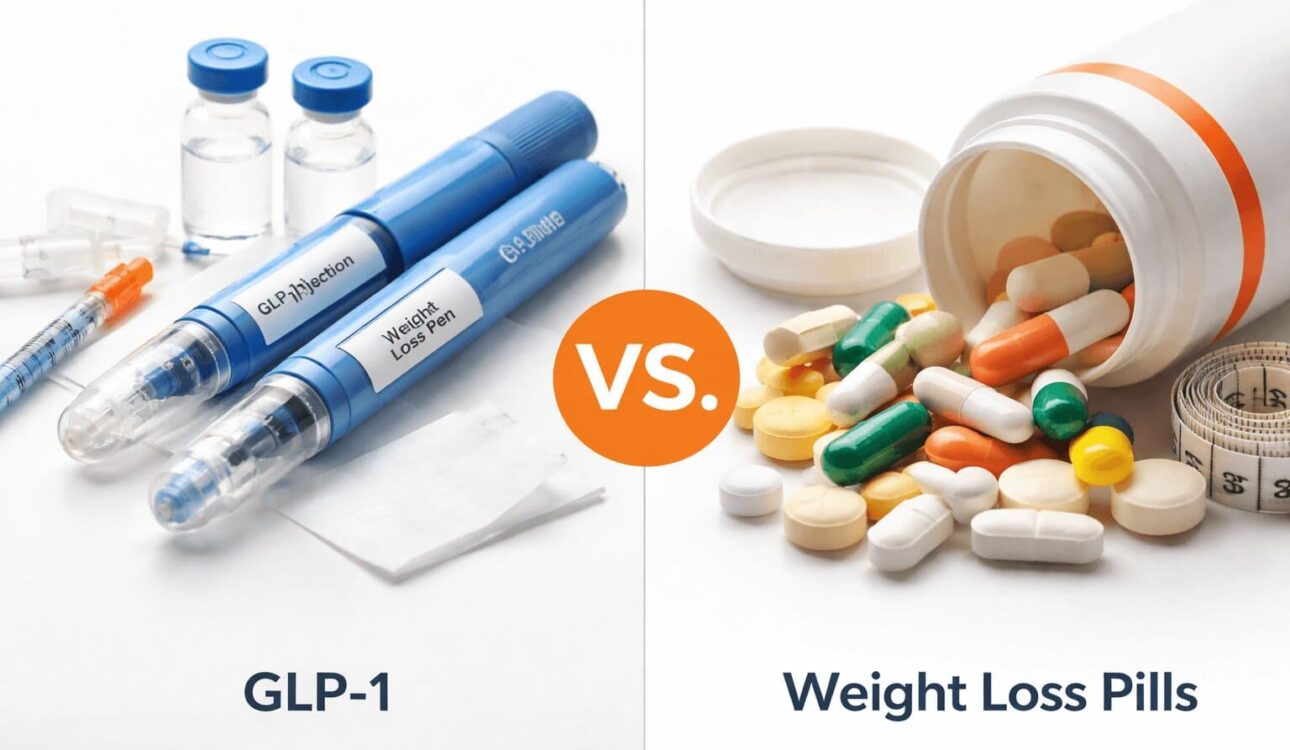
GLP-1 vs weight loss pills comparison showing injectable and oral medication options

GLP-1 vs Weight Loss Pills: Which Works Better?

GLP-1 vs Weight Loss Pills: Which Works Better? If you’re comparing prescription weight loss options, you’ve probably narrowed it down to two categories: GLP-1 medications and traditional weight loss pills. Both are used in medical weight loss programs. Both can support fat loss when paired with nutrition and lifestyle changes. But they work differently, feel different, and may fit different health profiles. In this guide, you’ll learn how GLP-1 medications compare to weight loss pills in effectiveness, timeline, safety, convenience, and long-term sustainability. This will help you have a more informed choice of which mode you take. What are GLP-1 Medications? GLP-1 stands for glucagon-like peptide-1. It’s a hormone your body naturally releases after eating. It helps regulate appetite, insulin, and blood sugar levels. GLP-1 medications are designed to mimic this hormone. They work by: Increasing feelings of fullness Reducing appetite and cravings Slowing stomach emptying Supporting blood sugar regulation Many GLP-1 medications used for weight management are injectable and follow a gradual dose escalation schedule. This helps improve tolerability and reduce side effects. The FDA-approved prescribing information outlines how dosing is typically adjusted over time (U.S. Food and Drug Administration, 2023). Because they act on gut-hormone pathways, GLP-1 medications are often used in modern obesity medicine when lifestyle changes alone have not produced sufficient results. What Are Weight Loss Pills? Prescription weight loss pills are oral medications taken daily. Unlike GLP-1 medications, most oral options do not mimic gut hormones. Instead, they work through other mechanisms such as: Suppressing appetite through brain pathways Reducing fat absorption in the digestive system Influencing hunger signals through combination effects There are multiple FDA-approved medications in this category. An overview of how prescription weight loss drugs function and who may qualify for them is summarized by the National Institute of Diabetes and Digestive and Kidney Diseases (NIDDK, 2025). The key difference is mechanism. GLP-1 medications regulate appetite hormonally. Many oral medications regulate appetite neurologically or mechanically. GLP-1 Vs Weight Loss Pills: Effectiveness and Expected Results Across many studies, GLP-1 medications used for chronic weight management often produce larger average weight loss compared with many older oral medications. This is one reason GLP-1 therapy has become a major part of modern obesity medicine. That said, oral medications can still be effective for the right candidate, especially when paired with structured follow-up and lifestyle support. A clinician-friendly overview of how prescription weight loss drugs typically work and what outcomes may look like is summarized here (Mayo Clinic, 2024). Side-By-Side Comparison of Expected Results Comparison Factor GLP-1 Medications Weight Loss Pills Average Weight Loss (Clinical Studies) Often higher average percentage loss in chronic weight management trials Typically moderate average percentage loss depending on medication Mechanism Of Action Mimics gut hormone to regulate appetite and blood sugar Suppresses appetite or alters fat absorption Blood Sugar Impact Often improves insulin response Varies by medication Appetite Control Hormonal regulation of hunger signals Neurological appetite suppression Sustainability Potential Designed for long-term metabolic regulation May require stronger behavioral reinforcement for maintenance For patients dealing with both weight and hormonal challenges, hormone replacement therapy may complement a structured weight loss plan. Speed Vs Sustainability: What The Timeline Can Look Like GLP-1 Medications Many people notice appetite changes early, but visible weight changes may be more gradual. Dose escalation can take several weeks, and meaningful progress often appears after reaching a therapeutic dose that is well tolerated. Phase What Typically Happens Early Phase Appetite signals change first Middle Phase Steady weight reduction as routines stabilize Later Phase Plateaus may occur and require dose or strategy adjustments Weight Loss Pills Some oral medications act quickly, especially those that suppress appetite. People may notice early changes in hunger levels. However, some individuals experience diminishing benefit over time if routine, nutrition, and follow-up structure are not consistent. Phase What Typically Happens Early Phase Noticeable appetite suppression Middle Phase Variable weight change depending on adherence Later Phase Risk of plateau without behavioral reinforcement Side Effects and Safety All prescription medications carry potential risks. The appropriate option depends on your medical history and risk profile. GLP-1 Side Effects Common side effects may include nausea or gastrointestinal discomfort, particularly during dose escalation. These often improve with gradual titration and meal adjustments. Safety guidance and contraindications are outlined in FDA labeling (U.S. Food and Drug Administration, 2023). Weight Loss Pill Side Effects Side effects vary depending on the medication type. Risk Category GLP-1 Medications Weight Loss Pills Gastrointestinal Symptoms Common during dose changes Possible depending on drug Heart Rate Impact Typically neutral Some stimulant-based options may increase heart rate Sleep Disturbance Not typically primary Some medications may affect sleep Digestive Changes Slower gastric emptying Some reduce fat absorption For broader context on how medication fits within chronic obesity care, see WHO-aligned guidance summarized through Celletti et al., 2025 paper. Matching medication to your health history is critical. Convenience: Injection Vs Pill It is easy to assume a pill is always more convenient. But weekly injections can actually be simpler than remembering a daily medication for some people. Convenience Factor GLP-1 Injections Weight Loss Pills Dosing Frequency Often weekly Typically daily Travel Considerations Requires proper storage and supplies Easy to pack and carry Habit Formation Weekly routine Daily routine Missed Dose Risk Less frequent dosing Higher chance of missed daily doses Ask yourself: Do you follow weekly routines better than daily ones? Are you comfortable with injections? Do you travel frequently? Are you more likely to forget daily medication? There is no right answer. The best choice is the one you can follow consistently. Which Option Works Better? GLP-1 medications often produce greater average weight loss in clinical trials. Weight loss pills may offer convenience and a lower barrier for some individuals. The better option depends on: Your metabolic profile Your medical history Your comfort with injections Your ability to maintain routine Long-term maintenance planning Frequently Asked Questions 1. How do I know if I’m a candidate for prescription weight loss medication? Eligibility depends on factors such as body mass index,

hormone replacement therapy for women in Oswego IL provided through medically guided care

Why More Women Are Exploring Hormone Replacement Therapy for Lasting Wellness in Oswego IL

Why More Women Are Exploring Hormone Replacement Therapy for Lasting Wellness in Oswego IL Hormone replacement therapy for women in Oswego IL is becoming an increasingly important conversation for women who want lasting wellness, steady energy, and better quality of life. Here in Oswego, Illinois, we regularly meet women who feel dismissed by “normal labs” despite persistent symptoms that affect daily living. At Elevate Testosterone & Weight Loss, we focus on education, individualized care, and medically guided hormone support so women can make informed decisions about their health. This article explains why more women are exploring hormone replacement therapy, how hormones influence whole-body wellness, what medically supervised treatment involves, and how women in Oswego IL can take thoughtful next steps. Why Women Are Talking More Openly About Hormone Health For many women, the hormone conversation starts quietly. It might be a slow shift in sleep quality, a creeping change in body composition, or the feeling that stress hits harder than it used to. Over time, these changes can add up and impact work, relationships, motivation, and confidence. We also see women becoming more proactive because information is easier to access than it was a decade ago. The downside is that online advice can be confusing, overly simplified, or pushed by marketing instead of medicine. That’s one reason hormone replacement therapy for women in Oswego IL should begin with a real clinical conversation, not a trend. Menopause hormone therapy is widely recognized as an effective option for certain symptoms, but it must be personalized to the individual’s health profile and goals (Mayo Clinic, 2024). When we approach care thoughtfully, we can talk about symptoms without minimizing them and explore options without rushing. What Hormones Do and Why Symptoms Can Feel “All Over the Place” Hormones influence multiple systems at the same time. That’s why changes can feel broad and frustrating, like your body is responding differently to everything. Estrogen, progesterone, and testosterone interact with the brain, metabolism, sleep regulation, bone health, and cardiovascular systems. During perimenopause and menopause, hormone levels can fluctuate unpredictably. This is one reason symptoms may come and go, then return with intensity. Many women describe it as feeling “off” but not being able to pinpoint why. Medical sources describe menopause hormone therapy as a way to replace hormones your body no longer makes in the same way, primarily to address symptoms such as hot flashes and vaginal dryness, and to improve quality of life when appropriate (Cleveland Clinic, 2024). When women understand what hormones do, the symptoms start to make more sense, and the next steps feel less overwhelming. This is exactly why hormone replacement therapy for women in Oswego IL is often part of a bigger wellness plan. It is not about chasing a perfect number. It is about restoring steadiness where your body has become unpredictable. Hormone Replacement Therapy for Women in Oswego IL: What It Can Help With Hormone replacement therapy for women in Oswego IL is most commonly explored for quality-of-life symptoms that persist despite healthy habits. Many women try sleep routines, supplements, diet changes, and exercise adjustments first. When symptoms remain, they start asking whether hormones could be a missing piece. Common concerns we hear include disrupted sleep, hot flashes, night sweats, mood changes, irritability, low motivation, brain fog, vaginal dryness, and changes in sexual desire. These symptoms are frequently associated with the menopausal transition and are specifically discussed in clinical menopause care resources (Mayo Clinic, 2024). We also see women exploring hormone replacement therapy for women in Oswego IL because they want better daily function, not just symptom reduction. They want to feel steady through the workday. They want energy to exercise, cook, and be present with family. They want sleep that actually restores them. Hormone therapy is not the only option, and it is not right for everyone. But when it is appropriate, it can be a meaningful tool within a medically guided wellness strategy (Cleveland Clinic, 2024). Hormone Replacement Therapy Process It is tempting to self-diagnose based on symptoms alone, especially when friends share similar stories. But symptoms that feel hormonal can also be linked to thyroid issues, nutrient deficiencies, chronic stress, sleep apnea, and metabolic conditions. That is why our first goal is clarity. Clinical menopause guidance emphasizes individualized decision-making, including evaluating symptoms, health history, and personal risk factors before initiating hormone therapy (The North American Menopause Society, 2022). In real life, this means we listen closely, review your timeline, and consider what else might be contributing. Hormone replacement therapy for women in Oswego IL should never be a rushed decision. It should be a structured process that helps you understand what is happening in your body and what options fit your situation. When women feel heard and supported early, they are more likely to make choices that match their long-term priorities, not just short-term discomfort. “Invisible” Symptoms that Signals you Might Need Hormone Replacement Therapy Women often come to us because they do not feel like themselves mentally or emotionally. They may describe increased anxiety, lower frustration tolerance, reduced focus, or a sense that their brain is not as sharp. Sleep disruption often sits at the center of this, because poor sleep amplifies stress, cravings, mood swings, and fatigue. Research reviews discuss how the menopausal transition can affect cognition, mood, and sleep, and how hormone therapy outcomes can vary depending on multiple factors such as formulation, timing, and individual health status (Conde et al., 2021). For many women, it is validating to learn that these symptoms are recognized in the medical literature and not a personal failure. Hormone replacement therapy for women in Oswego IL is not a promise of perfection. But when hormones are contributing to sleep disruption or mood changes, medically guided support may help some women regain steadiness, especially when paired with lifestyle foundations and stress support (Cleveland Clinic, 2024). We also talk about what else might be affecting mood and sleep. Work stress, caregiving, alcohol intake, and late-night screen habits can all

medical oversight for testosterone therapy in Oswego IL provided by licensed medical professionals

Why Medical Oversight Matters When Men Consider Testosterone Therapy in Oswego IL

Why Medical Oversight Matters When Men Consider Testosterone Therapy in Oswego IL Medical oversight for testosterone therapy in Oswego IL is the safest way to explore treatment when symptoms like low energy, reduced libido, stubborn weight gain, and brain fog start affecting daily life. Here in Oswego, Illinois, we meet men every week who have questions about testosterone therapy and want clear, trustworthy answers before making a decision. At Elevate Testosterone & Weight Loss, we believe the most important first step is understanding what medical oversight really means and why it protects your health at every stage. In this blog, we’ll walk through how medically guided testosterone therapy works, what labs and monitoring should include, what risks oversight helps prevent, and how we help men in Oswego IL pursue results with a safety-first plan. What Testosterone Therapy Is and What It Is Not Testosterone is a hormone that supports many systems in the male body, including muscle maintenance, bone density, red blood cell production, sexual function, mood, and energy. Testosterone levels naturally decline with age, but symptoms can also appear due to medical causes such as hypogonadism or other endocrine disruptions. That’s why it’s not enough to rely on symptoms alone when considering treatment. A real diagnosis requires lab confirmation, clinical context, and a plan that accounts for your full health picture. Testosterone therapy is designed to restore levels to a healthy physiologic range, not to push levels beyond what your body can safely manage. When testosterone is used without proper medical supervision, dosing can become inconsistent and monitoring may be skipped, which increases avoidable risk. Major medical sources emphasize that treatment decisions should be individualized and guided by clinical evaluation and follow up monitoring. (Cleveland Clinic, 2024) (Mayo Clinic, 2023) When we talk about “medical oversight,” we are talking about structured evaluation, safe prescribing, ongoing lab work, and adjustments based on objective data, not guesswork. Why Men Start Looking Into Testosterone Therapy Men often begin researching testosterone therapy after noticing changes that feel out of character. Some describe “running out of gas” earlier in the day, having less motivation to work out, or feeling less resilient after stress. Others notice changes in body composition, like increased abdominal fat or reduced muscle definition, even when diet and exercise stay consistent. It’s also common for men to look into testosterone therapy after other factors have been ruled out. Sleep issues, high stress, certain medications, and metabolic conditions can overlap with low testosterone symptoms. A thorough approach matters because you want the right solution, not simply a fast one. Medical oversight for testosterone therapy in Oswego IL helps us sort through these overlapping causes. We evaluate symptoms, confirm hormone patterns through labs, and discuss lifestyle factors that may be pushing testosterone lower, such as poor sleep, high alcohol intake, chronic stress, and excess body fat. (Mayo Clinic, 2023) Medical Oversight for Testosterone Therapy in Oswego IL Starts With Accurate Diagnosis One of the biggest mistakes we see in testosterone discussions online is the assumption that “feeling low” automatically means testosterone therapy is appropriate. In reality, evidence based care starts by confirming whether testosterone is actually low and whether symptoms match a diagnosable pattern. What a Proper Evaluation Should Include Medical oversight begins with a detailed conversation and medical history review. We want to know what symptoms you are experiencing, when they started, what has changed recently, and whether you have conditions that affect hormones, like diabetes, obesity, thyroid issues, or sleep apnea. We also want to understand medication history, fertility goals, and cardiovascular risk factors. Then we confirm what is happening biologically through labs. Clinical guidance emphasizes structured monitoring and evaluation for men receiving testosterone therapy, including hormone levels and safety markers such as hematocrit. (Bhasin et al., 2018) Labs Are Not “One and Done” Testosterone can vary by time of day and by health status. A single isolated result without context may not tell the whole story. In medically supervised care, labs are part of a broader assessment that includes symptoms, exam findings when appropriate, and follow up testing when needed. That’s one reason medical oversight for testosterone therapy in Oswego IL is so important. It reduces the risk of starting treatment for the wrong reason and missing another condition that deserves attention. What We Monitor and Why It Matters Testosterone therapy affects more than just testosterone levels. Because hormones influence multiple body systems, monitoring is a built-in safety feature, not an add-on. Hematocrit and Red Blood Cell Changes One well known effect of testosterone therapy is that it can increase hemoglobin and hematocrit. This can be clinically important because elevated hematocrit may raise risk in certain individuals. That’s why safety focused monitoring includes tracking hematocrit and watching for changes over time. (Fernández-Balsells et al., 2010) (Osterberg et al., 2014) When we provide medical oversight for testosterone therapy in Oswego IL, we do not ignore this. We monitor, interpret results based on your baseline, and adjust the plan when needed. Prostate and PSA Considerations Men often ask if testosterone therapy “causes” prostate cancer. Current evidence does not support the idea that testosterone therapy directly causes prostate cancer, but guidelines emphasize evaluating prostate cancer risk and following appropriate screening practices, especially early in therapy. (Bhasin et al., 2018) Medical oversight for testosterone therapy in Oswego IL includes thoughtful discussions about PSA monitoring, family history, and age appropriate screening expectations, so you’re not navigating this alone. Cardiovascular Risk and Individualized Assessment Cardiovascular questions come up frequently, and the most responsible answer is that risk must be evaluated based on your individual profile. That’s one reason reputable guidance highlights diagnostic workup and ongoing monitoring plans rather than casual prescribing. (Endocrine Society, 2018) We take this seriously because we want your plan to support long term wellbeing, not just short term symptom changes. Risks of DIY Testosterone and “No-Monitoring” Clinics It’s easy to find testosterone products online or hear about quick-start programs that don’t require much evaluation. The problem is not simply “where the