
What Are the Symptoms of Low Testosterone in Men?
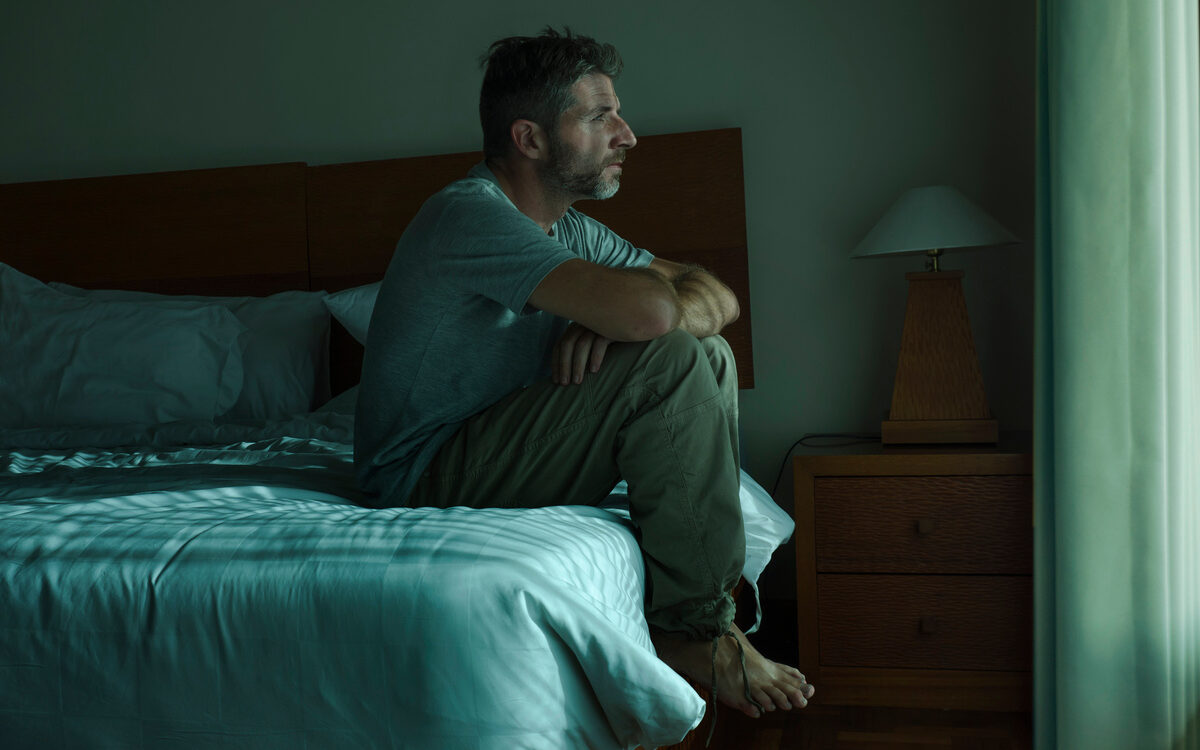
Something feels off, but you cannot quite explain it. You are tired more than you should be. Your motivation has dropped. You are gaining weight despite not changing your diet. Your drive, mentally and physically, is not what it used to be. These are not random signs of getting older. For many men, these experiences are the symptoms of low testosterone, and they are far more common than most people realize.
Testosterone plays a central role in how men feel, function, and perform every single day. When levels decline, the effects show up across nearly every area of life. Understanding what to look for is the first step toward getting the right support and reclaiming how you felt before.
Why Testosterone Levels Decline in Men
Testosterone naturally begins to decline after age 30. According to the American Urological Association, testosterone levels decrease by approximately one to two percent each year in most men. For some men this gradual decline stays within a manageable range. For others, levels drop low enough to cause noticeable, disruptive symptoms that affect their quality of life.
Several factors can accelerate this decline beyond what is considered normal aging:
- Chronic stress and elevated cortisol levels
- Poor sleep quality or sleep deprivation
- Excess body weight, particularly around the midsection
- Sedentary lifestyle and low physical activity
- Certain medications including opioids and corticosteroids
- Underlying health conditions such as type 2 diabetes and obesity
- Injury or conditions affecting the testes or pituitary gland
Understanding why levels drop helps men recognize that low testosterone is not simply a consequence of aging. It is a medical condition that responds well to proper treatment.
The Most Common Symptoms of Low Testosterone in Men
The symptoms of low testosterone do not always appear all at once. For many men they develop gradually, which makes them easy to attribute to stress, a busy schedule, or just getting older. Knowing the full picture helps you recognize when the pattern points to something more specific.
Physical Symptoms:
- Persistent fatigue and low energy that does not improve with rest
- Loss of muscle mass even with regular exercise
- Increased body fat, especially around the abdomen
- Decreased bone density, which raises the risk of fractures over time
- Reduced body and facial hair
- Hot flashes or unexplained sweating
- Breast tissue enlargement, also known as gynecomastia
- Reduced testicle size
Sexual Symptoms:
- Decreased sex drive and reduced interest in intimacy
- Difficulty achieving or maintaining erections
- Reduced semen volume
- Fertility challenges
Mental and Emotional Symptoms:
- Difficulty concentrating and persistent brain fog
- Mood changes including increased irritability and low mood
- Feelings of depression or a general lack of motivation
- Decreased confidence and sense of drive
According to the Mayo Clinic, many men with low testosterone experience a combination of physical, sexual, and emotional symptoms simultaneously, which is why the condition can feel so disorienting and difficult to pinpoint without proper testing.
How Low Testosterone Affects Daily Life
The symptoms of low testosterone do not stay confined to the gym or the bedroom. They affect how men show up at work, at home, and in their relationships.
Men dealing with brain fog and low motivation often find it harder to stay focused during long workdays. Those experiencing fatigue may struggle to be present and engaged with their families in the evenings. Mood changes and irritability can put strain on relationships without either person fully understanding why.
According to the Cleveland Clinic, low testosterone can significantly impact a man’s emotional well-being, relationships, and overall sense of vitality. Many men go years without connecting these daily frustrations to their hormone levels because the changes happen slowly enough to seem like a normal part of life.
Recognizing that these experiences are connected, and that they have a medical explanation, changes everything.
Low Testosterone vs. Normal Aging: How to Tell the Difference
One of the most common questions men have is whether what they are experiencing is simply part of getting older or something that actually needs attention.
Normal aging does bring some changes in energy and recovery. What it does not typically bring is a combination of fatigue, significant loss of muscle mass, low libido, mood disruption, and weight gain all at the same time. When multiple symptoms of low testosterone appear together and begin affecting daily function, that pattern goes beyond what aging alone explains.
The only way to know for certain is through a blood test that measures total and free testosterone levels. A qualified provider will evaluate your results alongside your symptoms and health history to determine whether your levels are contributing to what you are experiencing.
If you are noticing several of the signs listed above, exploring hormone replacement therapy with a medical professional is a worthwhile next step.
When Should You Get Your Testosterone Levels Tested?
There is no age requirement for getting tested. Men in their 30s, 40s, 50s, and beyond can all experience clinically low testosterone. If you are experiencing several of the symptoms described in this post, testing is the most direct way to get answers.
Consider scheduling a consultation if you are dealing with:
- Fatigue that does not improve regardless of how much sleep you get
- A noticeable drop in your sex drive that has lasted more than a few months
- Difficulty building or maintaining muscle despite consistent training
- Mood changes, increased irritability, or low motivation without a clear cause
- Unexplained weight gain, particularly around the midsection
- Cognitive issues such as difficulty concentrating or persistent brain fog
A simple blood draw is all it takes to measure your testosterone levels. From there, a provider can walk you through your results and discuss whether treatment is appropriate based on your individual profile.
What Happens After a Low Testosterone Diagnosis
Being diagnosed with low testosterone is not the end of the conversation. It is the beginning of a structured, medically supervised process designed to restore your levels and address the symptoms that have been affecting your life.
Treatment typically begins with a comprehensive review of your lab results, symptoms, health history, and goals. From there a personalized treatment plan is developed. Testosterone replacement therapy is the most commonly used and clinically supported approach for men with confirmed low levels.
Men who go through treatment often report improvements in:
- Energy levels and stamina within the first few weeks
- Mood stability and a greater sense of motivation
- Sex drive and sexual function
- Muscle tone and body composition over time
- Mental clarity and ability to focus
- Overall sense of confidence and well-being
If you want to understand the full scope of what TRT involves before your first appointment, the TRT benefits guide covers what men can realistically expect from treatment.
Frequently Asked Questions
According to the American Urological Association, testosterone levels below 300 nanograms per deciliter (ng/dL) are generally considered low. However, symptoms matter as much as numbers. Some men feel significant effects at levels that fall within the low-normal range, while others function well at similar levels. A provider will evaluate both your lab results and your symptoms together before recommending treatment.
Yes. Mood changes, irritability, low motivation, and feelings of depression are among the recognized symptoms of low testosterone. These mental and emotional effects are often the most disruptive part of the condition for men and their families. Restoring testosterone levels through medically supervised therapy has been shown to improve mood and overall emotional well-being in many patients.
Diagnosis involves a blood test, typically taken in the morning when testosterone levels are at their highest point of the day. The test measures total testosterone and often free testosterone as well. A provider will review your results alongside your symptoms, age, health history, and lifestyle before confirming a diagnosis.
Yes. While testosterone decline is most associated with aging, men in their 30s and even late 20s can have clinically low levels. Factors such as chronic stress, poor sleep, obesity, certain medications, and underlying health conditions can all suppress testosterone production at any age.
TRT is the most clinically supported treatment for confirmed low testosterone, but it is not the only option discussed during a consultation. A provider may also address contributing lifestyle factors such as sleep, nutrition, and exercise as part of a broader treatment approach. The right plan depends on your specific lab results, symptoms, and health goals.
Conclusion
The symptoms of low testosterone are real, recognizable, and treatable. Fatigue, low libido, weight gain, mood changes, and brain fog are not things you simply have to accept as part of getting older. They are signals worth paying attention to, and they deserve a real answer.
If several of the signs in this post sound familiar, the most important thing you can do is get tested. Understanding your hormone levels gives you the information you need to make decisions about your health with clarity and confidence. The team at Elevate Testosterone and Weight Loss in Oswego, Illinois is here to help you do exactly that. Learn more about TRT in Oswego, IL and take the first step toward feeling like yourself again
Disclaimer
The information provided in this article is intended for educational purposes only and does not constitute medical advice. The content is not a substitute for professional medical diagnosis, treatment, or guidance from a qualified healthcare provider. Every man’s health history, hormone levels, and symptoms are different. If you are experiencing symptoms related to low testosterone, speak with a licensed medical professional before making any decisions about your care or treatment options. Elevate Testosterone and Weight Loss provides personalized consultations to help you understand your options based on your individual health profile.
References
American Urological Association. Evaluation and Management of Testosterone Deficiency. Retrieved from https://www.auanet.org/
Mayo Clinic. Male Hypogonadism: Symptoms and Causes. Retrieved from https://www.mayoclinic.org/diseases-conditions/male-hypogonadism/symptoms-causes/syc-20354881
Cleveland Clinic. Low Testosterone (Male Hypogonadism). Retrieved from https://my.clevelandclinic.org/health/diseases/15603-low-testosterone-male-hypogonadism